
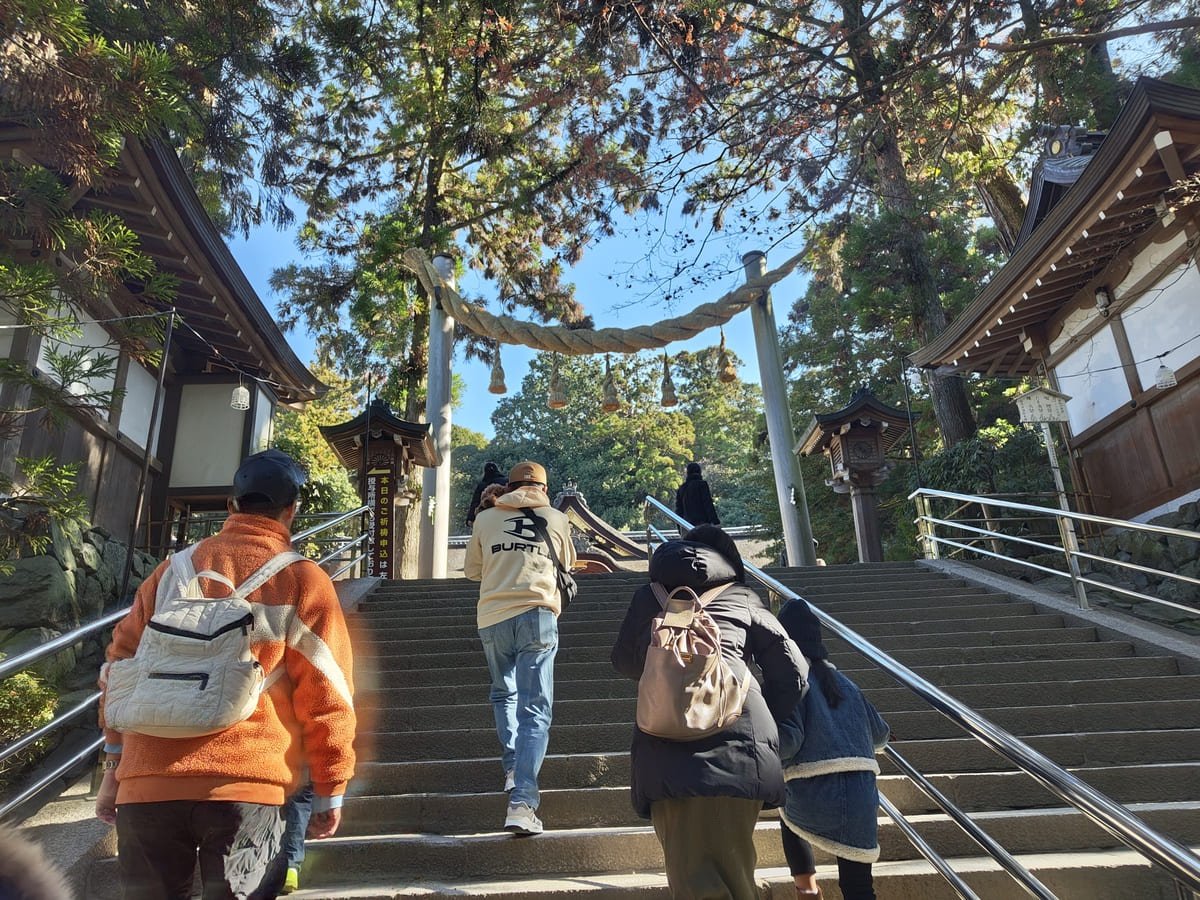
When people imagine Japan’s sacred sites, they often think of Kyoto temples, famous torii gates in photos or major shrines crowded during New Year. But hidden in the rural heart of Nara Prefecture sits something far older and more profound: Oomiwa Shrine (大神神社), recognized as the oldest Shinto shrine in Japan. Unlike more modern shrines, Oomiwa Shrine preserves the ancient form of mountain worship. Mount Miwa is treated as the deity. This makes it one of the most spiritually important places in Japan, yet surprisingly unknown to most foreign visitors.
What makes it even better is that the entire surrounding area is walkable and incredibly peaceful. If you are searching for one of the best walks in Japan, especially outside the usual tourist areas, the Mount Miwa delivers something delivers a combination of Shinto history, sacred nature, mythology, and local village scenery.
Oomiwa Shrine (The Ancient Snake Shrine)
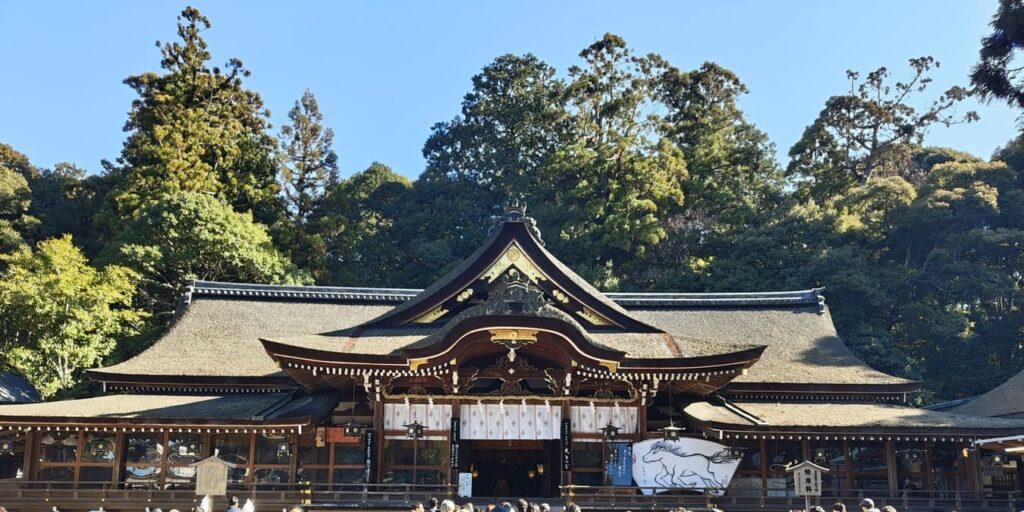
Oomiwa Shrine is often called the snake shrine. In Shinto, the deity worshipped here, Oomononushi-no-kami (大物主神), is associated with agriculture, water, protection, and prosperity. For centuries, this deity was believed to take the form of a snake. Particularly white snakes, which are considered auspicious animals connected to wealth and good fortune.
This connection still shows up today in the zodiac. For example:
巳 (mi)
is the Chinese zodiac sign representing the Snake
During snake years, shrines like Oomiwa attract even more local visitors who come to pray for prosperity in business, protection from misfortune, and long-term wellbeing.
And because 2026 was the Year of the Horse, a large horse display was set up. Shrines change these zodiac displays every year based on the Chinese zodiac.
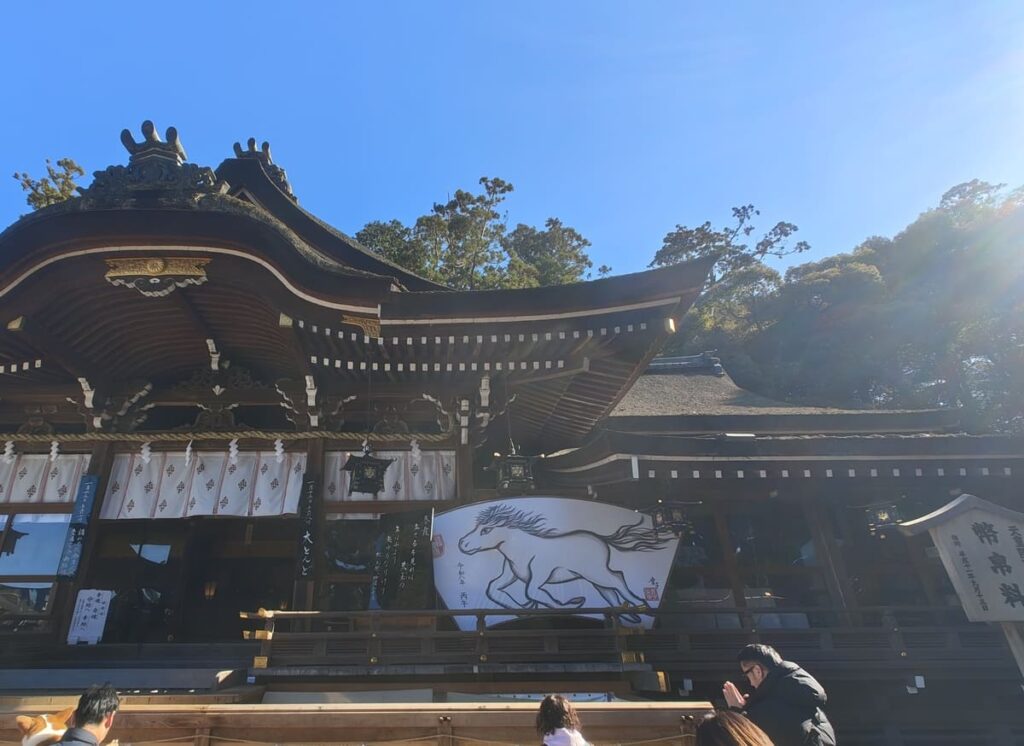
How to Pray at a Snake Shrine
Before praying, visitors purify at the temizuya (shrine purification basin). The procedure is the same as the one I explained in my earlier guide, so click here to learn how to use.
At Oomiwa, you follow the standard Shinto prayer procedure:
- Bow twice
- Clap twice
- Pray silently*
- Bow once
*When praying internally, you introduce yourself. Because the deity here is a nature-based kami, snakes do not “know” who you are. You silently state:
- Your name
- Your address
- and sometimes the reason for your visit
This practice is less common at major tourist shrines and more associated with older shrines tied to nature worship and local deities, where the kami are believed to exist physically within the landscape.
Snake Tree
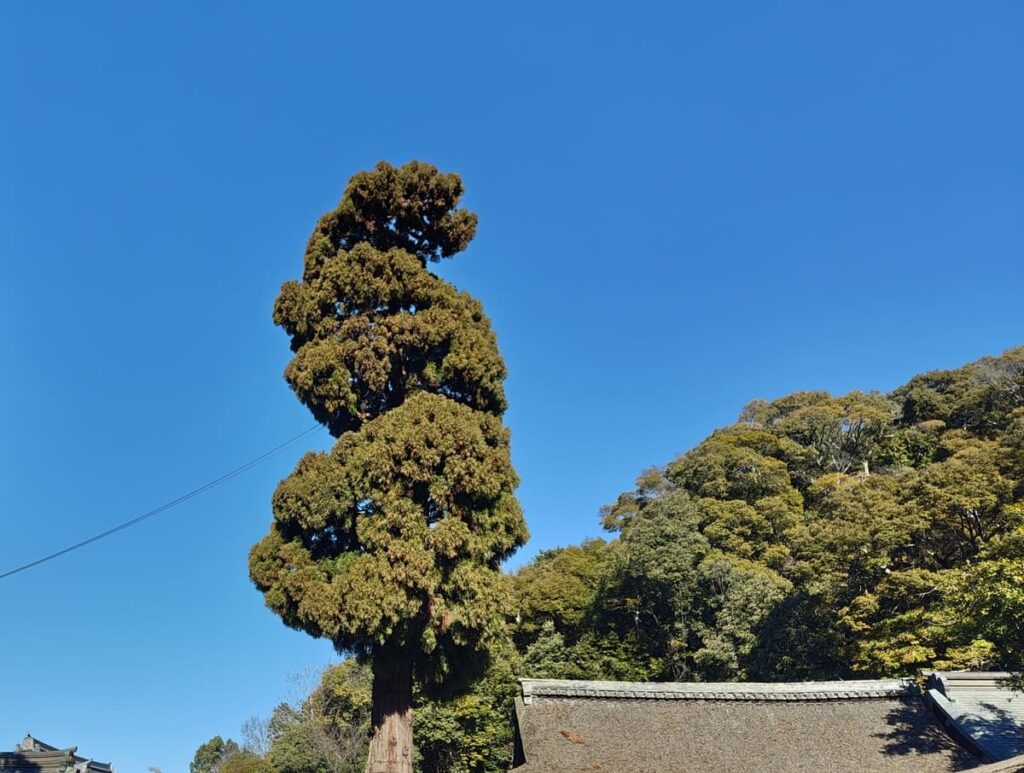
Something I found especially fascinating was how the snake symbolism appears subtly in nature around the shrine. While walking the grounds, I found a tree whose leaves naturally curled into snake-like shapes. Local pointed this out, suggesting that such natural patterns are seen as signs of the kami’s presence or blessing.
One of Japan’s Tallest Torii Gate
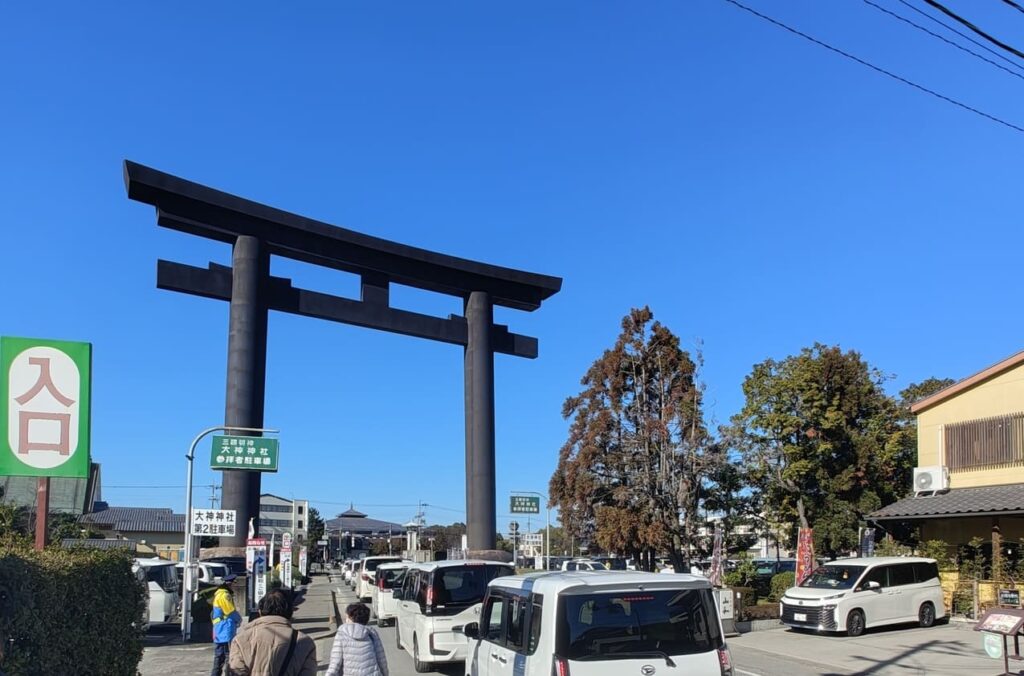
Before reaching the main shrine, you will encounter something unforgettable: The Oomiwa Ootorii (大神大鳥居), a torii gate standing approximately 32 meters tall. It is said to be the second tallest torii gate in Japan, and you really notice its scale when cars pass beneath it. A single vehicle looks tiny compared to the massive structure towering above it.
In Shinto tradition, a torii marks the boundary between the ordinary world and the sacred. The larger the torii, the more powerful or significant the sacred space it protects. The deity here is not housed in a building but in Mount Miwa itself, one of the oldest sacred mountains in Japan. Because the mountain is the kami, the entrance needs to match the spiritual scale of the landscape.
Even today, the torii stands directly along a modern road, so you see cars constantly passing beneath it. The contrast between contemporary life and this enormous spiritual gateway feels almost cinematic. It’s one of those rare moments in Japan where religion, history, landscape, and everyday life all intersect in a single frame.
Collecting a Goshuin (Stamp)
At Oomiwa Shrine, I also received a goshuin (御朱印). A handwritten seal that shrines and temples offer to worshippers. A goshuin combines:
- Red stamped seals: (shrine name)
- Calligraphy
- The date of your visit
It functions as both a record of worship and a form of sacred calligraphy. What mine says:
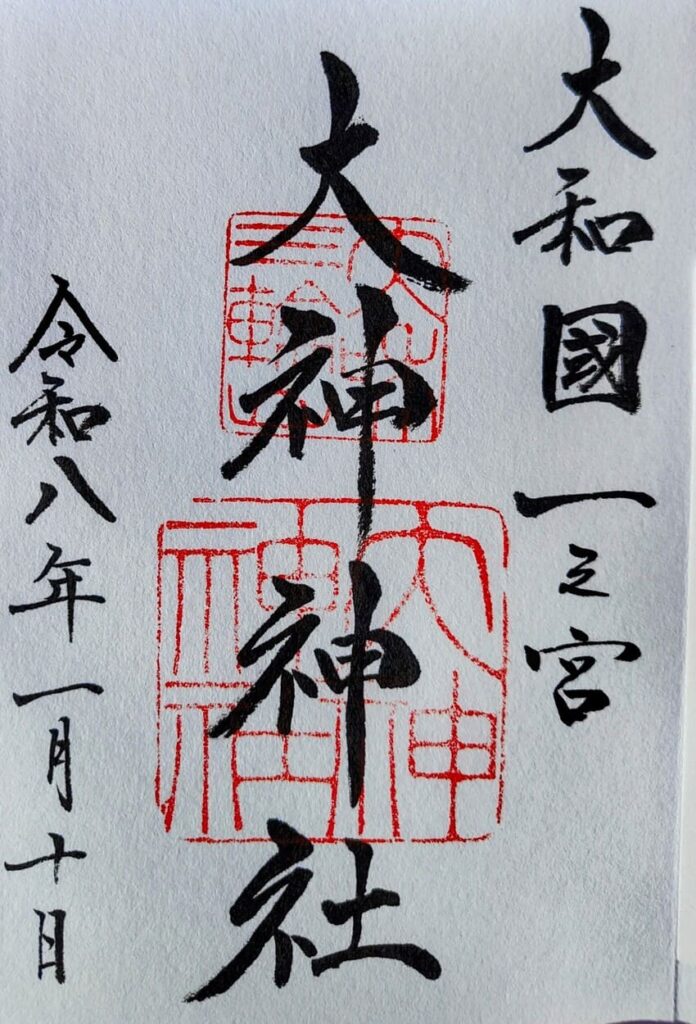
The large center seal reads:
Oomiwa Shrine (大神神社)
The right side reads:
“First Shrine of the Yamato Province”, a title that reflects high status.
The left side shows:
= January 10, Reiwa 8 (2026)
For many Japanese people, connecting goshuin is a peaceful travel ritual, beautiful simplicity that matches the shrine’s ancient characters.
Sacred Water Shrine
At Sai Shrine (狭井神社), which sits at the base of Mount Miwa, there is a flowing source of goshinsui (御神水), sacred water drawn directly from the mountain deity. This water has been revered since ancient times for purification, health, and longevity.
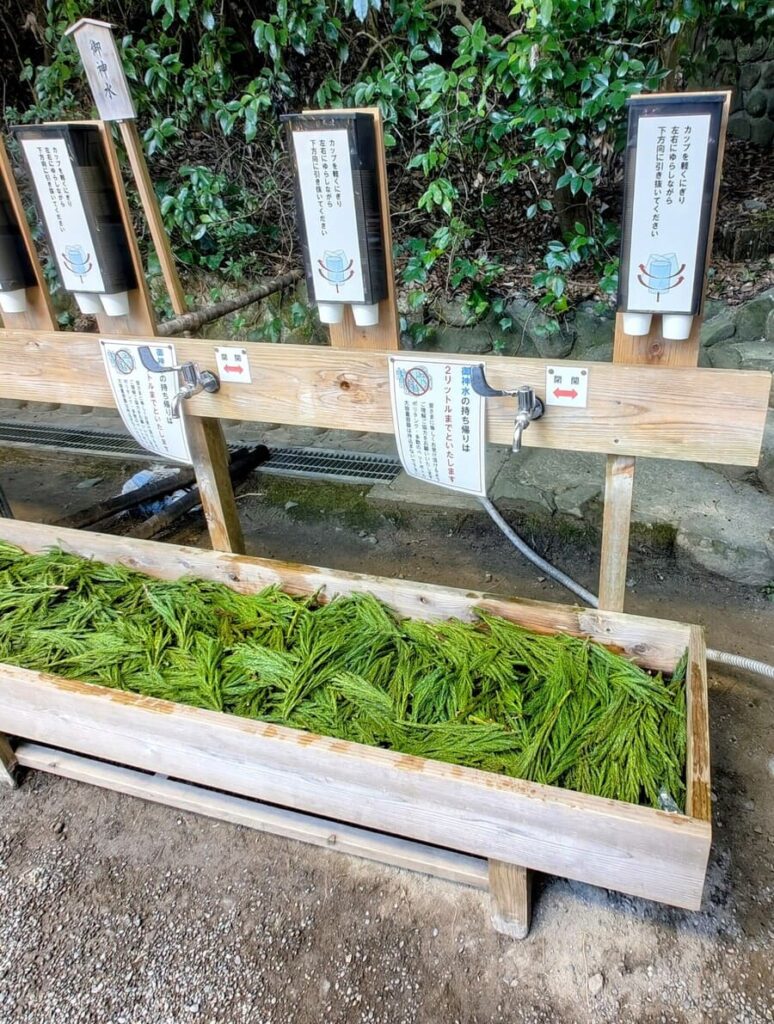
Before approaching the taps, there are few important guidelines:
- No rinsing your mouth at the basin
- No washing hands in the water box
- No dipping containers directely into the trough
Beneath the taps lies a long wooden bed filled with fresh hinoki no ha, Japanese cypress leaves. These are not decoration, they serve a symbolic and ritual function.
Honoki is considered one of the purest woods in Shinto ritual, and here it plays two roles:
- Hinoki acts as a natural intermediary between the sacred water and the worshipper, cleansing impurities. Both physical and spiritual, before praying.
- Shinto often uses natural materials (salt, sakaki, sand, water, fire) to mediate between humans and kami. Hinoki branches here create a “path” between the body and Mount Miwa’s life-giving water.
Locals bring plastic bottles to bring the water home. People drink it for:
- Health
- Longevity
- Purification
Climbing Mount Miwa
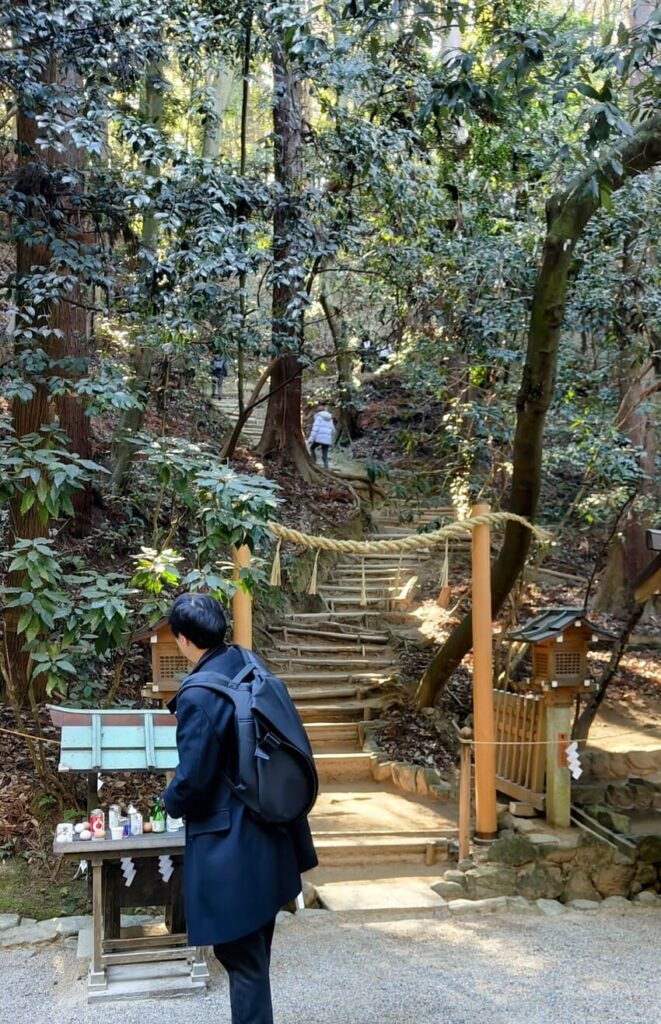
From Sai Shrine, visitors also have the options to climb Mount Miwa, which is considered the body of the deity itself. Unlike typical mountain hikes, this ascent is treated as a formal spiritual walk rather than entertainment or sightseeing.
Before entering the mountain, you pay a small fee, and shrine attendants politely ask you to place all belongings, including phone, inside a locker. Photography, talking, and casual chatting are prohibited along the trail. The rule isn’t meant to be strict for the sake of strictness. It’s designed to preserve the atmosphere of purification and silent worship that has existed here for centuries.
Walking in silence makes the experience feel completely different from a normal hike.
Without distractions, you begin to notice things like the sound of wind between trees, the smell of fresh moss, or the rhythm of your own footsteps. Many locals say the silence allows them to feel closer to their ancestors, or to reconnect with loved ones who have passed away. In Shinto belief, mountains are spaces where the divine and human worlds overlaps. So a quiet ascent is a way of aligning yourself with the presence of the kami.
It’s rare in modern life to move slowly and silently through nature, and that might be what makes Mount Miwa one of the most powerful spiritual walks in Japan.
Dragons, Water, and Distant Worship
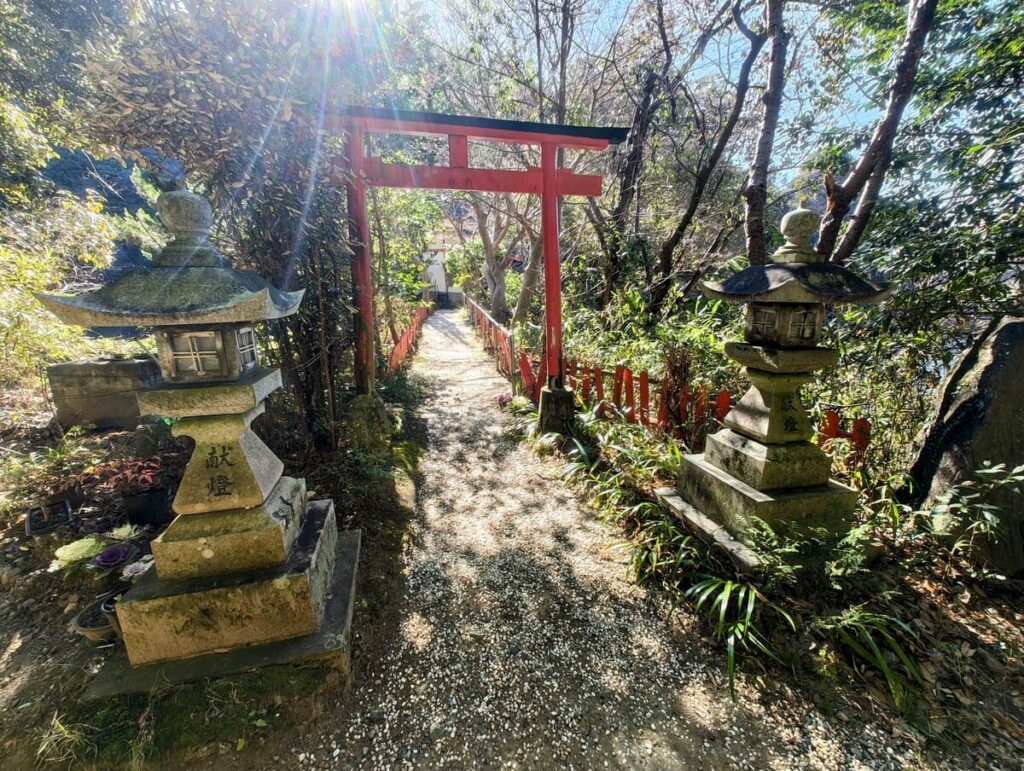
Another spot on the walk leads to a Youhaijo (遥拝所). A place for distant worships. Instead of approaching the main shrine directly, worshippers pray from afar.
The signboard here referenced several overlapping deities and traditions:
- 八大竜王 (Hachidai Ryūō): dragon kings who govern water and rain
- 播財天 (Hazaiten): a regional form of Benzaiten, goddess of fortune
- 霊神神社 (Reijin Jinja): spiritual kami
- 大神 (Ōkami): referring to Ōmononushi, the snake-associated deity of Miwa
Locals told me that at certain times, small white snakes are occasionally seen emerging from the water. At Miwa, white snakes are believed to be messengers of the deity.
Hibara Shrine
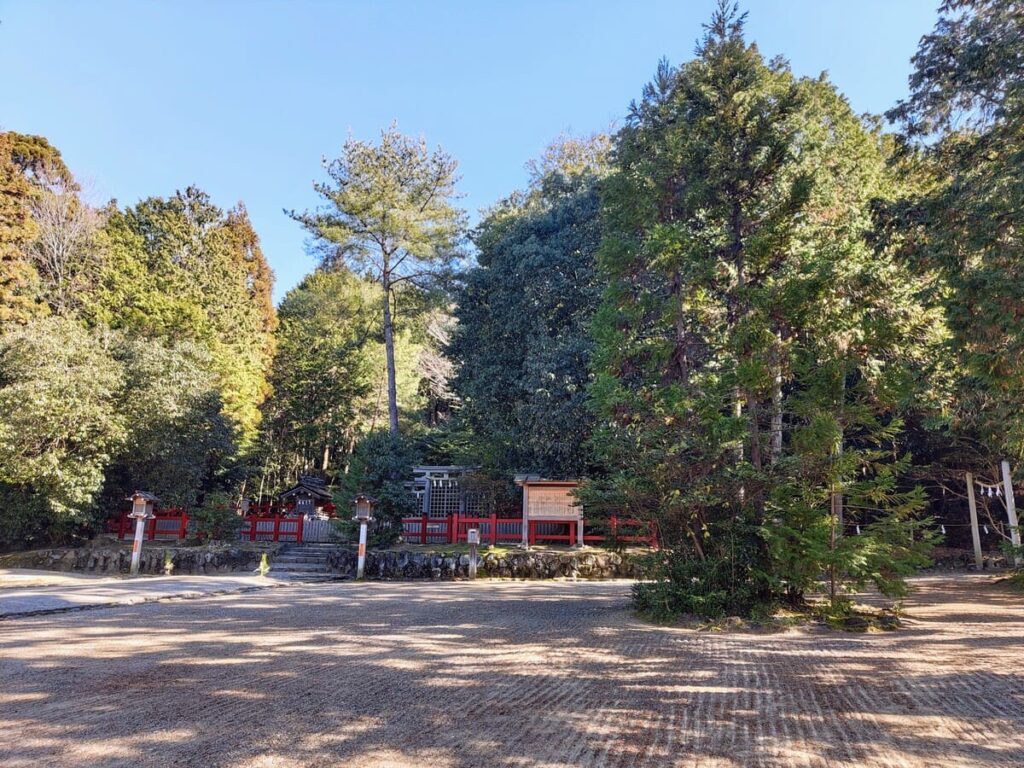
Hidden in the quiet forest just beyond Oomiwa Shrine. Hibara Shrine (檜原神社) preserves a form of worship that predates modern Shinto. There is no main shrine building. Instead, a sand-filled sacred space faces Mount Miwa directly. Before Ise became the center of imperial worship, Amaterasu was once venerated here, making Hibara Shrine one of the most historically significant spiritual sites in Japan.
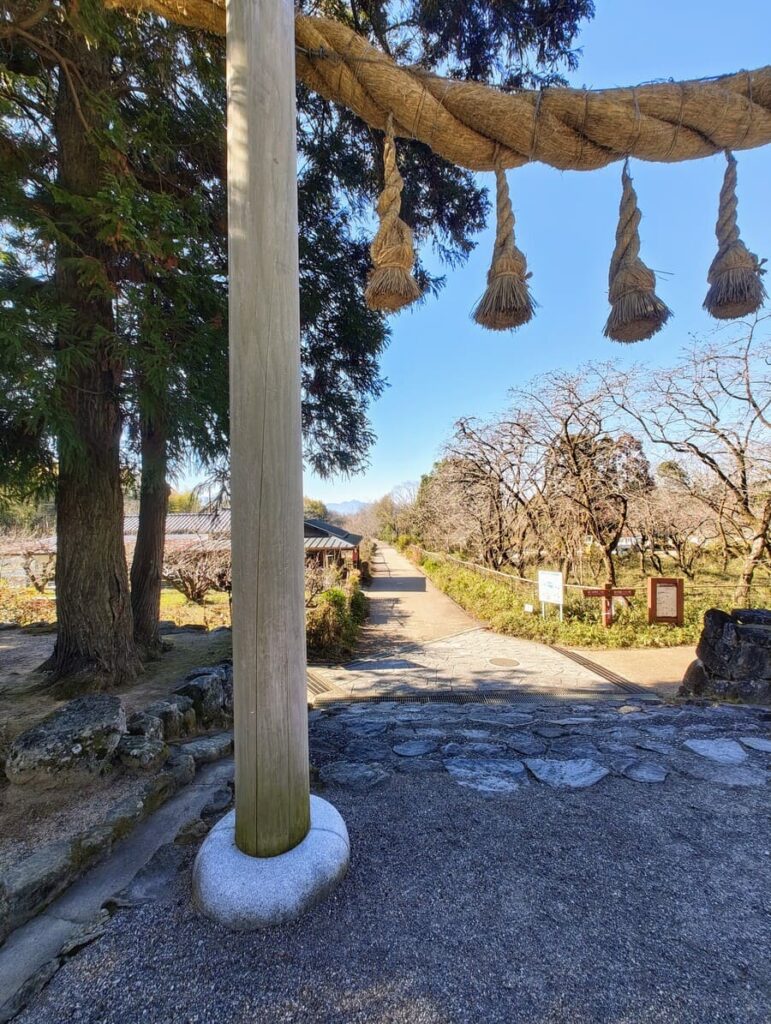
The shrine sits along what used to be part of the old Yamato pilgrimage routes, where travelers, monks, and envoys once walked between sacred sites long before trains or roads existed.
A short walk from the shrine leads into bamboo groves, their stalks knocking softly together in the wind.
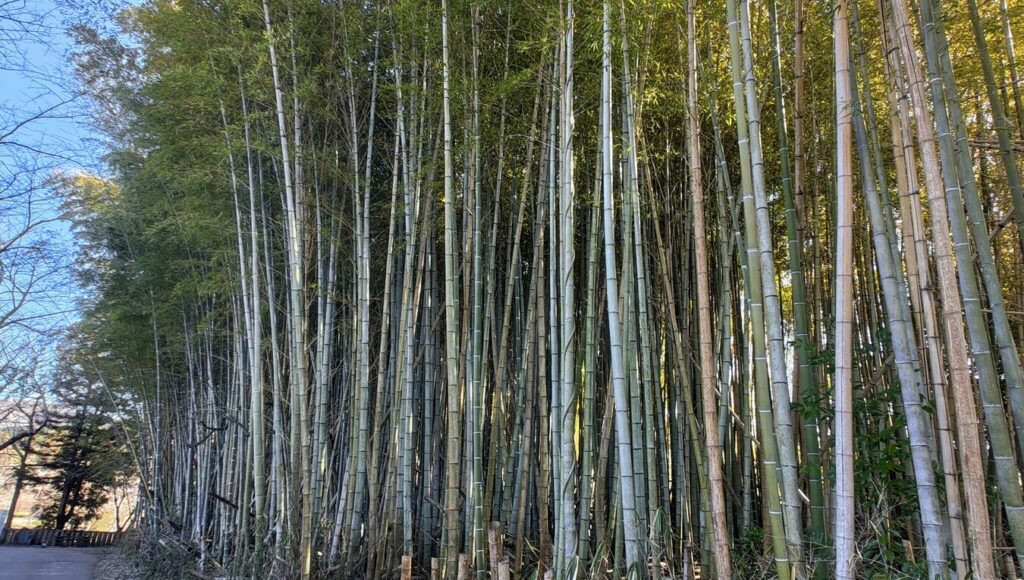
For a moment, it’s easy to imagine the same sounds, the same wind, the same rituals happening here a thousand years ago. Walking here genuinely felt like going back in time.
Ancient Tombs and the Himiko Connection
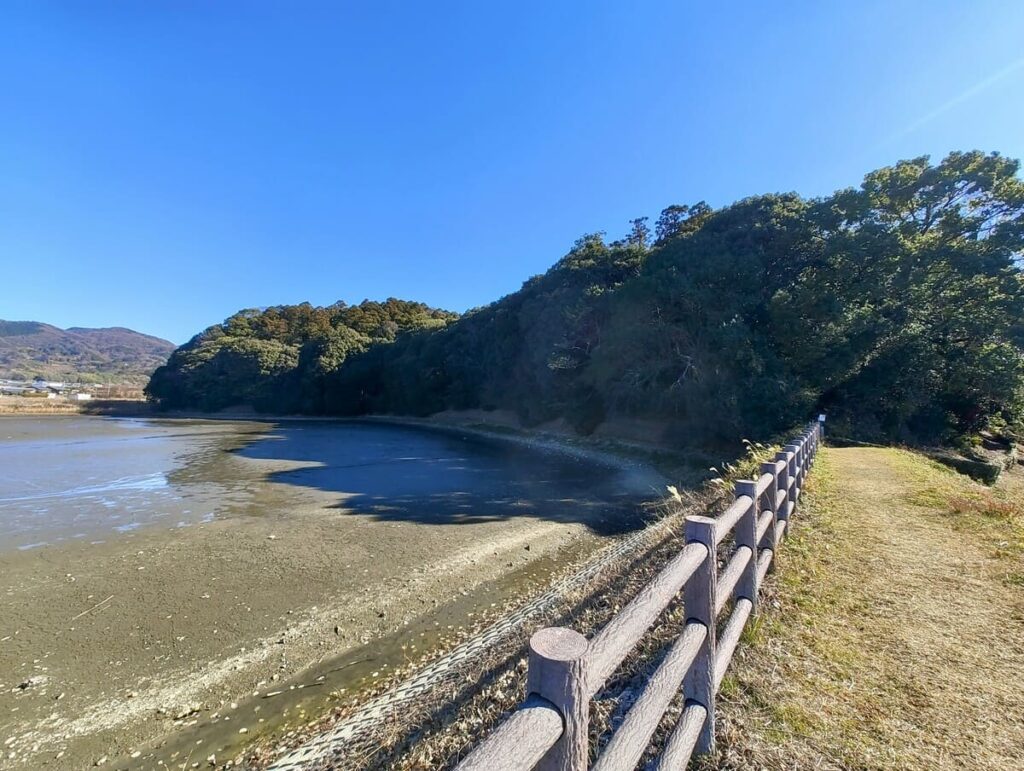
For the final stretch of the walk, the path leads toward one of Japan’s most mysterious landscapes. A mountain so perfectly rounded that it almost looks unreal.
Among these tombs is Hashihaka Kofun (箸墓古墳), widely theorized to be the resting place of the legendary shaman-queen Himiko. Officially, however, the site is labeled as the tomb of Princess Ooichi, daughter of Emperor Kourei. The Imperial Household Agency controls access, and signs strictly prohibit entering the grounds.
Walking here feels less like sightseeing and more like stepping into a layered world where mythology archaeology, and politics quietly overlap. As I drew closer to the mountain, a sudden breeze passed through. Coincidence? Maybe. But standing before a tomb that has been sealed for many thousands of years, it didn’t feel random.
How to Visit & Complete the Walk
One of the most rewarding aspects of visiting Oomiwa Shrine is that it isn’t just a single shrine. Instead of hopping between disconnected tourist attractions, this walk feels like following a story. Beginning at a small countryside station, passing through the gate to the divine realm, visiting water shrines and dragon altars, and finally arriving at an ancient kofun tied to Japan’s earliest recorded history.
Here’s how to follow the same path I took:
(1) Arrive at Miwa Station
Take the JR line and get off at Miwa Station. Trains do not run frequently, so it’s worth checking the timetable in advance.
(2) Walk to the Giant Torii Gate
From the station, head toward the 32-meter Oomiwa Ootorii, one of the tallest Torii gates in Japan.
(3) Visit Oomiwa Shrine (大神神社)
From the Torii, continue uphill to the main shrine grounds. Here is where you’ll find the snake deity worship.
(4) Continue to Sai Shrine (狭井神社)
Just a short walk away is Sai Shrine, famous for its sacred spring water drawn from Mount Miwa.
(5) Visit Yōhaijo (Dragon Shrine)
Further along i s a distant worship site dedicated to water dragons and associated deities.
(6) Walk to Hibara Shrine (檜原神社)
Hidden in the forest, Hibara Shrine preserves an ancient form of Shinto. No buildings, just a sand worship area facing the mountain.
(7) End at Hashihaka Kofun (箸墓古墳)
Finally, the path leads to the kofun, a round-shaped mountain tied to the Himiko legends.
(8) Depart from Makimuku Station
The walk ends conveniently at Makimuku Station, making a full loop without backtracking. From here you can return toward Nara, Osaka, or Kyoto.
Conclusion
Completing the walk from Miwa Station to Makimuku Station offers one of the most unique historical walking experience in Japan, connecting shrines, sacred water sites, mountain worship, and kofun burial mountain in a single, continuous route.