
Hakone is one of the most rewarding trips. Mountains, lakes, ropeways, art museums, and relaxing Hakone hot springs. Everything packed into a small area. Because transport here connects trains, buses, cable cars, boats and even a ropeway, the best way to travel is using the unlimited pass. From Odawara Station to almost anywhere in Hakone, you can ride without worry. This article isn’t just a transport guide. It’s how I actually enjoyed my Hakone trip and the things to see in Hakone along the way.
Arrival at Hakone Yumoto
After arriving at Hakone Yumoto Station, the first thing we did was eat. The station area already feels like a small hot spring town, full of snacks and traditional shops.
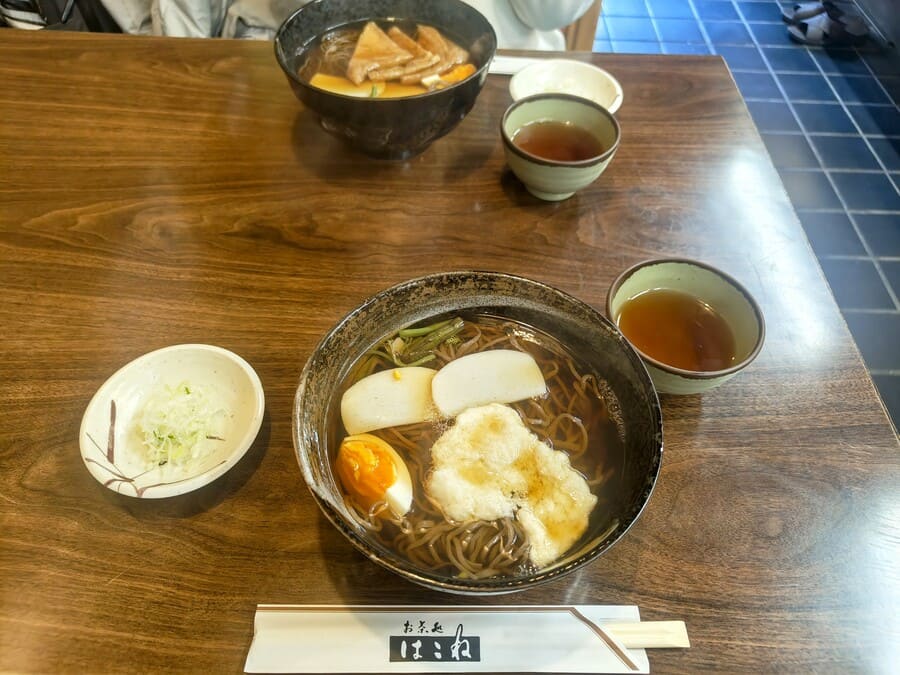
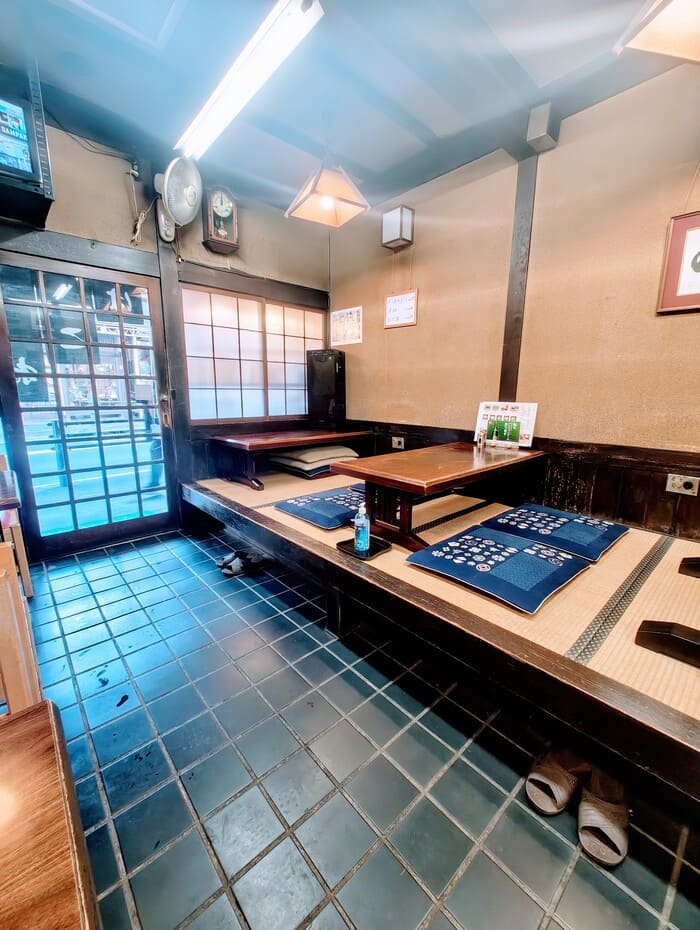
We had soba at Hakone Kamameshi Soba, an old-style Japanese restaurant. It was winter, so the warm soba was perfect. Simple but incredibly tasty!
My personal favorite dessert is anmitsu, and we found an amazing one at 甘味喫茶 萩. It’s a hidden café located upstairs inside a souvenir shop. Cheap, cozy, and delicious.
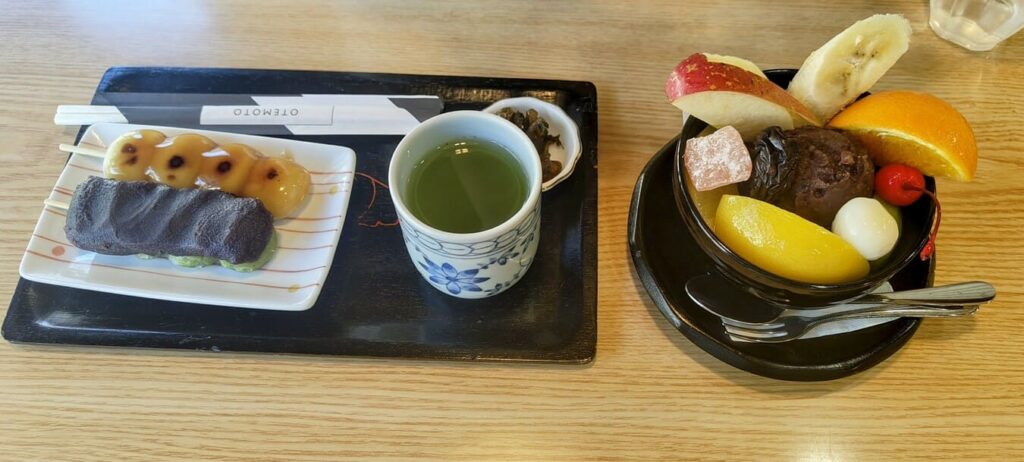
If you’re foodie, definitely spend time exploring around Hakone Yumoto because there are many tempting foods here.
Lake Ashino
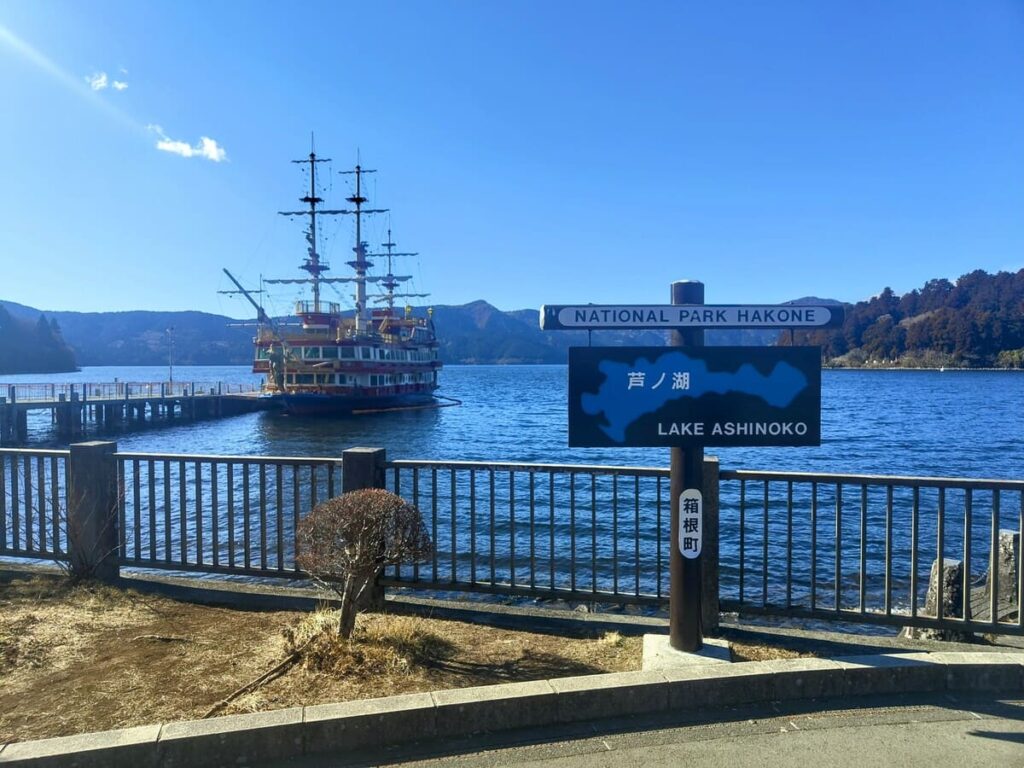
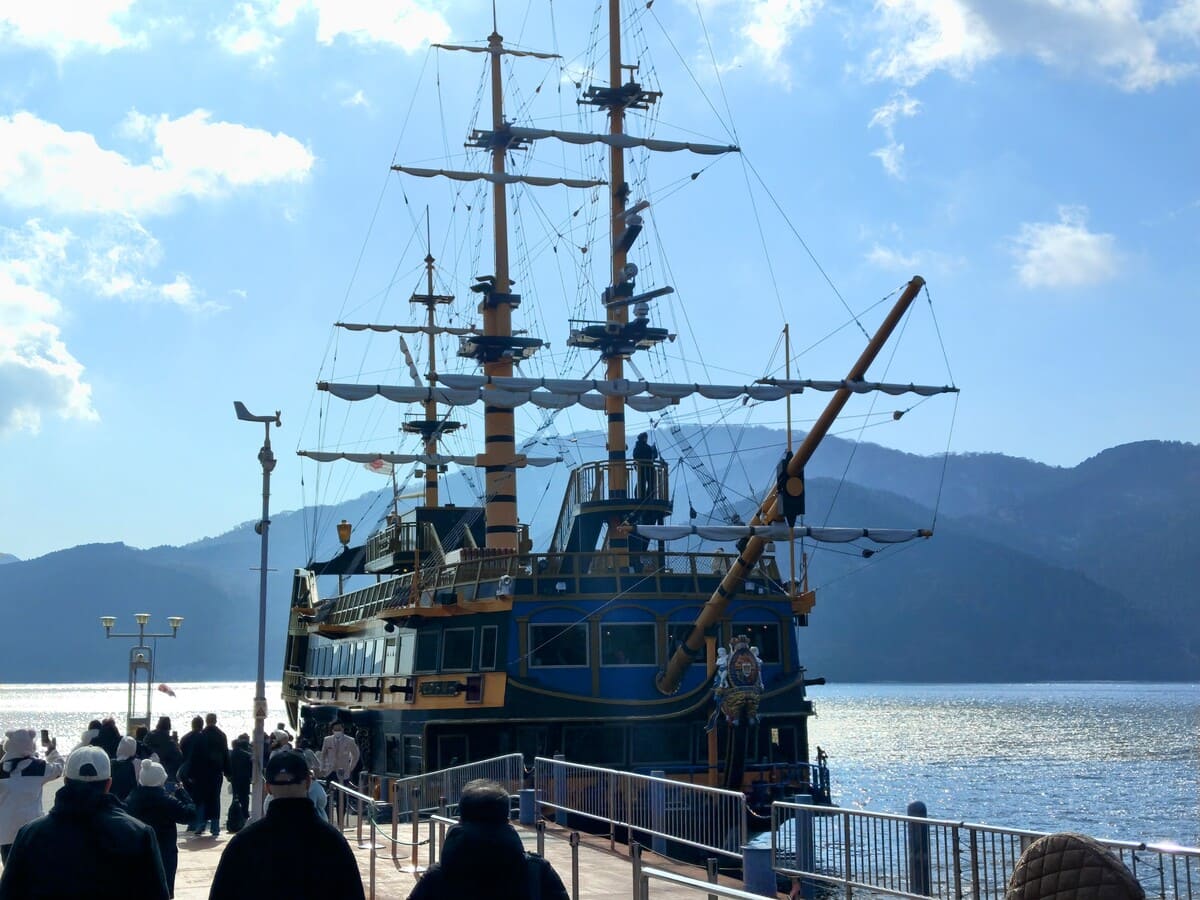
Using the unlimited pass, we took the bus from Hakone Yumoto to Moto-Hakone. As the road climbed higher into the mountains, the scenery slowly changed from town streets to forest roads, and eventually the view suddenly opened up to Lake Ashino. Lake surrounded by mountains, with the iconic sightseeing ships slowly moving across the surface. You can also spot the famous pirate ships sailing across the lake.
Hakone Shrine
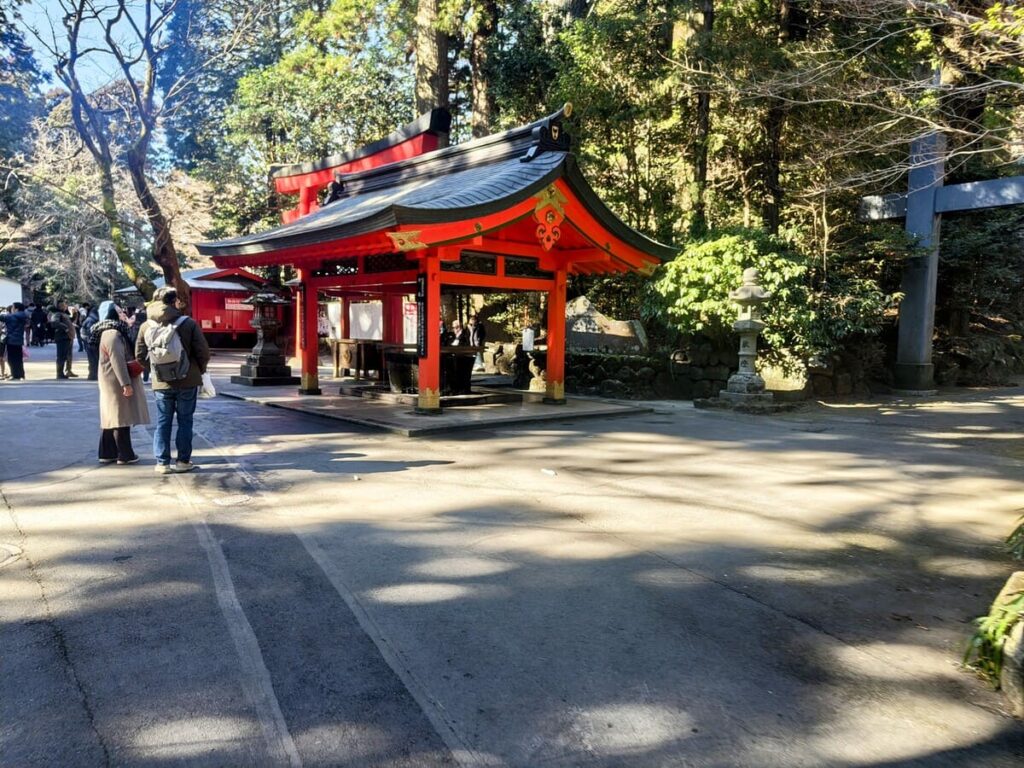
From the lakeside we walked toward Hakone Shrine. The path leading to the shrine was just as special as the shrine itself. Tall trees lined the stone pathway, and the air felt noticeably quieter and cooler. It had that peaceful shrine atmosphere that makes you naturally slow down while walking. The shrine grounds themselves felt very spiritual and calm. The bright red buildings stood out beautifully against the surrounding forest. Unfortunately, the famous torii gate standing in the lake was closed off during our visit.
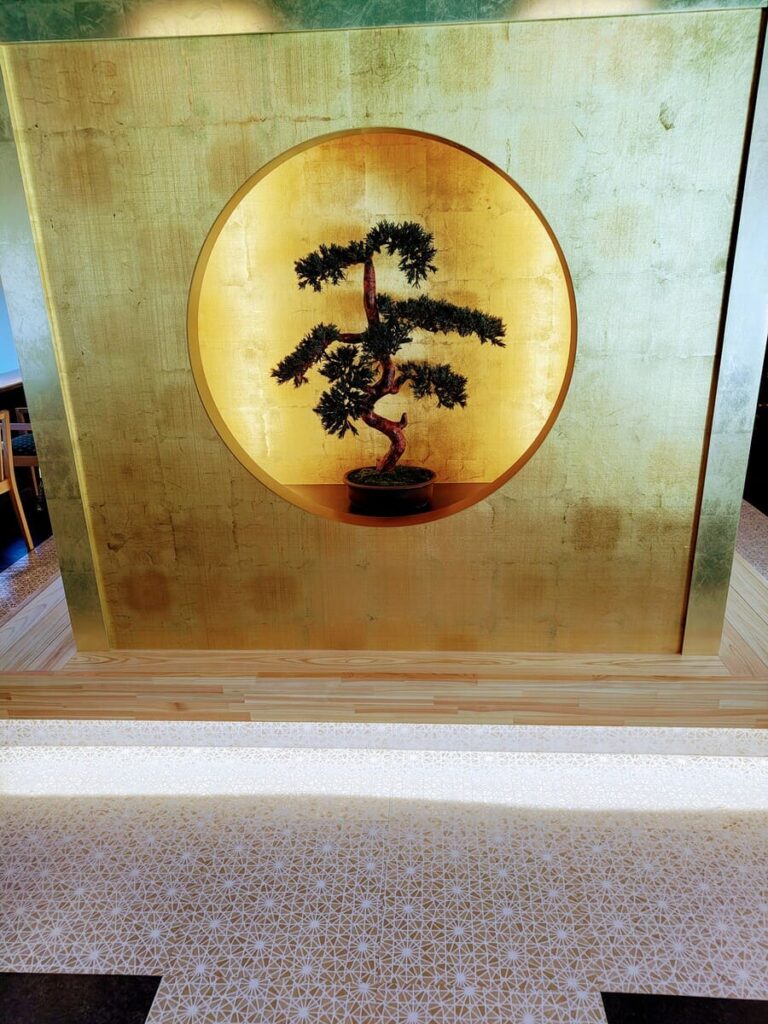
After visiting the shrine, we boarded the Lake Ashi Pleasure Boat. The interior design had a modern Japanese feel with wooden textures and large windows, so even sitting inside was enjoyable. As the boat sail away from the shore, we were able to see the torii gate from the water, which was probably the best angle to view it. The reflection on the lake and the surrounding mountains made the whole scene feel very cinematic.
We arrived at Hakone-en and rode the Komagatake ropeway up to the summit. At the top, the view of Mount Fuji was incredible. The mountain stood clearly in front of us, and the snowy peak looked much larger than I expected. Seeing it from ground level and seeing it from up here felt completely different. It had that “wow” feeling people always talk about. It was easily one of the highlights of the trip.
Hotel Indigo
After getting off the ropeway, we continued our journey by bus and made a quick stop at Watanabe Bakery. This place is well known for its anpan, so we couldn’t resist trying it. Soft bread with a nicely balanced red bean filling. That said, the other breads looked just as tempting and tasted great too, so it’s worth picking up a few things while you’re there.
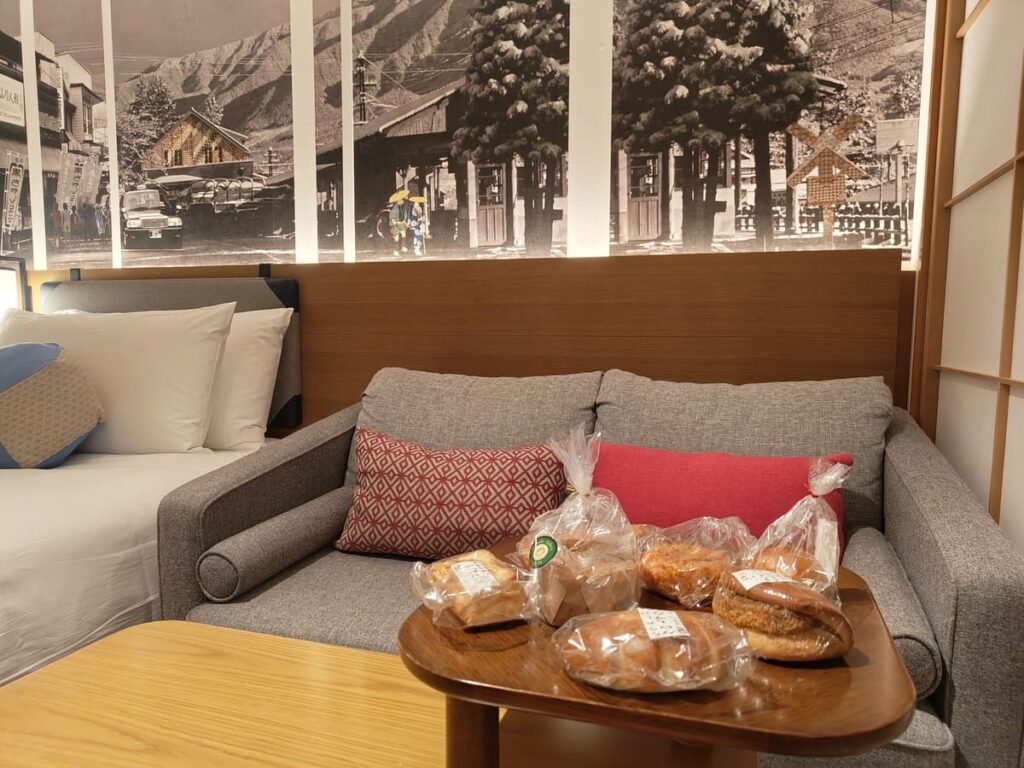
We decided not to eat it right away and instead took it with us to the hotel. Since we were staying at a fancy hotel, it seemed like the perfect place to slowly enjoy it later with a cup of tea and relax after a long day of exploring.
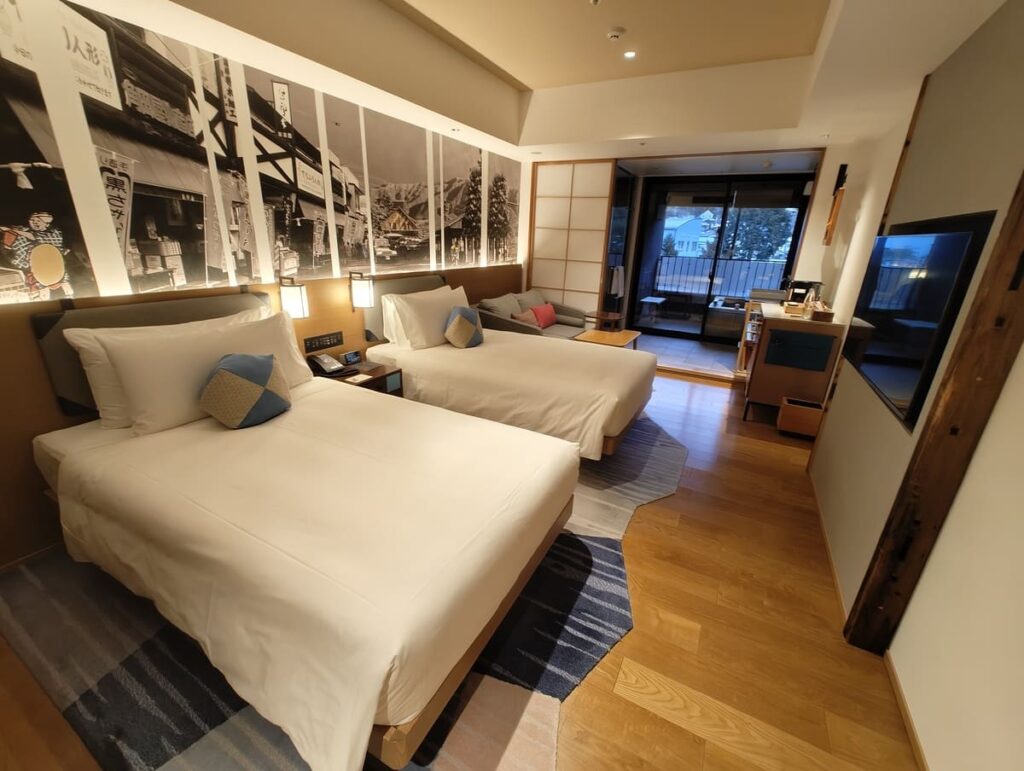
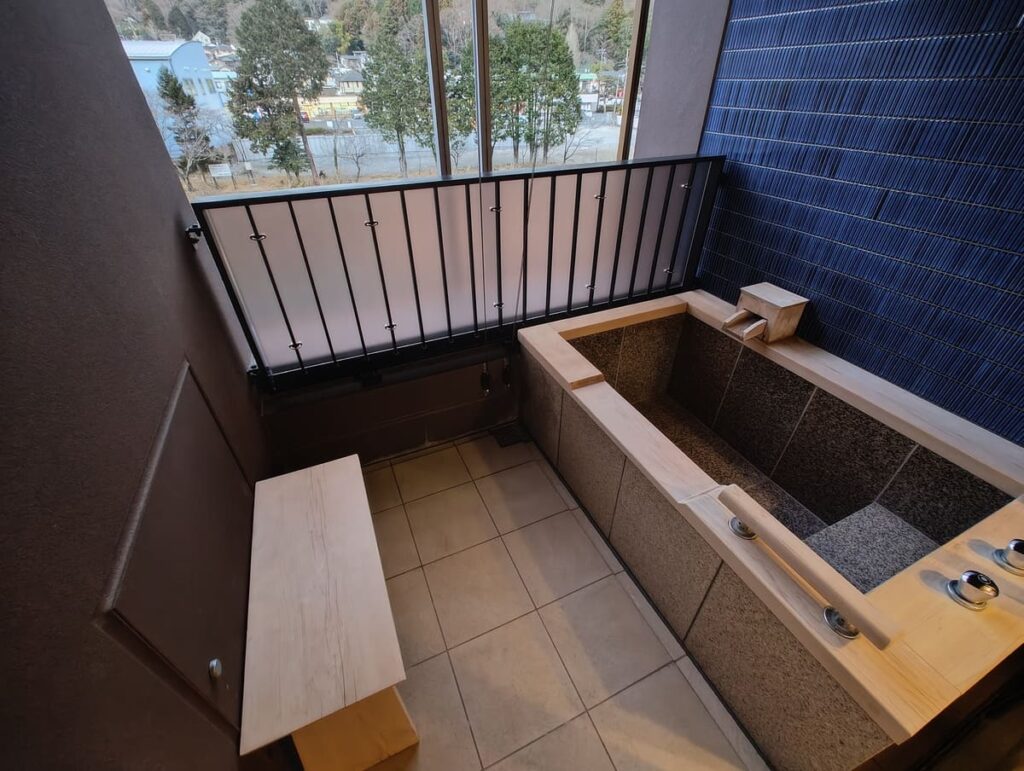
That night we stayed at Hotel Indigo, a beautiful Hakone hotel with a private outdoor onsen. After walking around all day in the cold, stepping into the hot water while the chilly air touched your face felt incredibly relaxing. You could see the surrounding nature while soaking, and time just slowed down.
Our plan included breakfast the next morning, and the buffet was honestly amazing. The dining area had large windows with natural light coming in and a relaxed atmosphere that made you want to take your time instead of rushing through the meal.
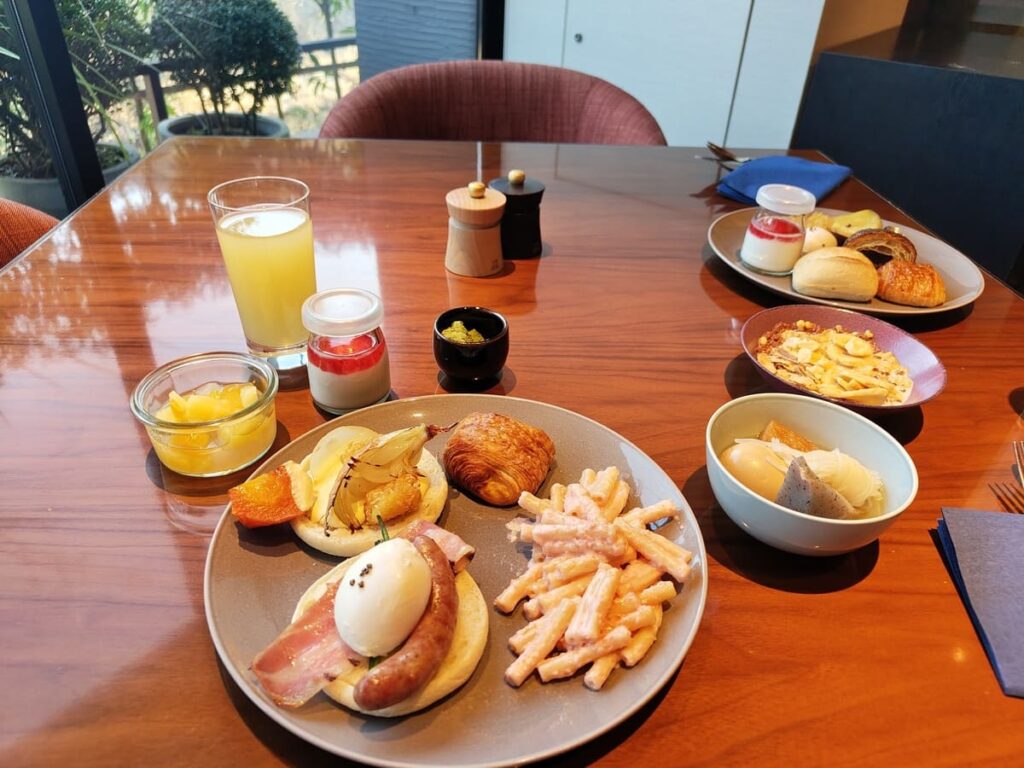
There was a wide selection of both Japanese and Western food. You could build a heavier breakfast with sausages, eggs, and bread, or go lighter with fruit and yogurt. Everything tasted fresh, and I definitely ate more than planned. Typical buffet where you keep telling yourself “just one more plate” and then somehow end up sitting there much longer than expected.
The hotel is on the expensive side, so we only stayed one night, but it felt worth the experience. If you’re looking for comfort, scenery, and a relaxing private onsen, it could easily be one of the best places to stay in Hakone.
Glass Forest and Owakudani Adventure
The next day we used the pass again to visit the Glass Forest. Almost everything you see is made out of glass. Even in winter, the garden still looks like it’s blooming because the glass decorations sparkle in the sunlight. Walking through it felt a bit like stepping into a different world.
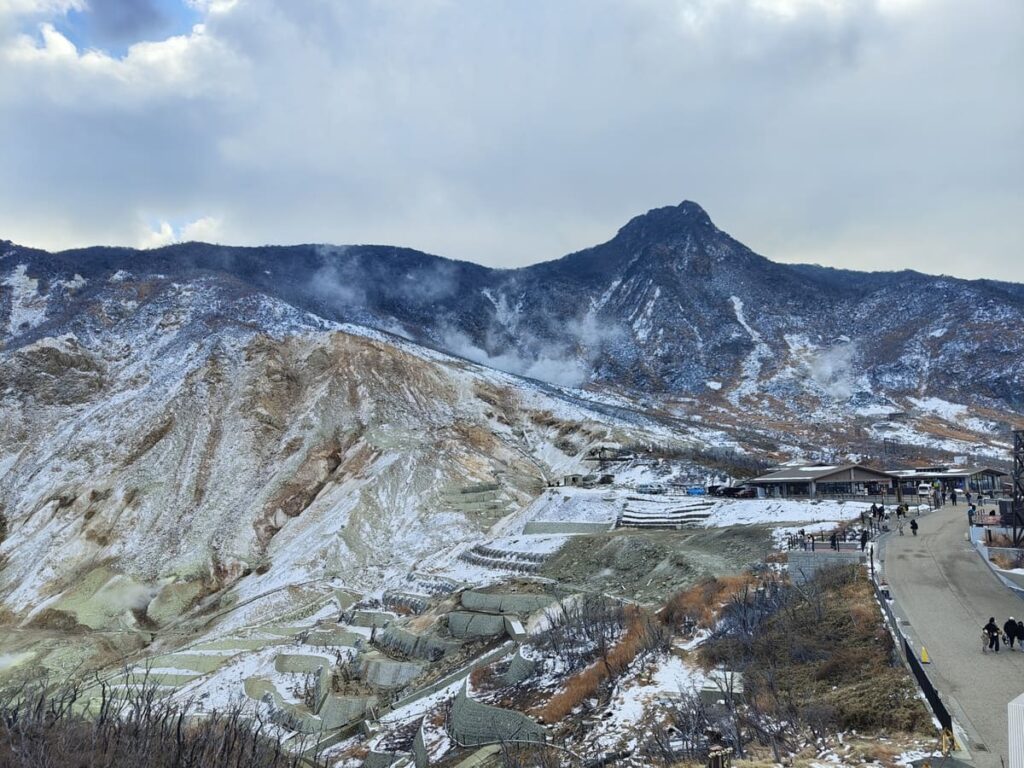
Afterward, we traveled to Togendai and rode the ropeway to Ōwakudani, which is also covered by the unlimited pass. As the gondola moved higher, you could see volcanic smoke rising from the mountain and snowy landscapes spreading out below. The contrast between the white snow and dark volcanic ground looked incredible. It’s a fantastic photo spot, but extremely cold… DEFINITELY bring heat pads (kairo) and warm clothing.
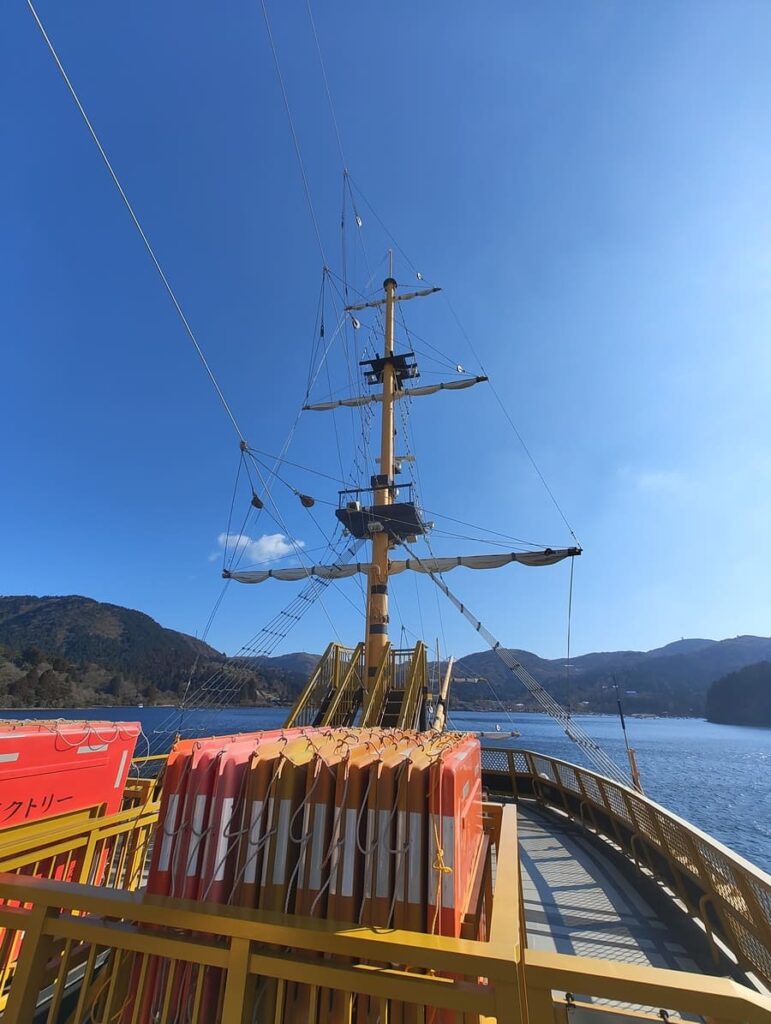
After exploring Ōwakudani, we took the same ropeway down the mountain toward Togendai, where we then boarded the famous pirate ship using the pass. Inside there were plenty of seats and large windows, but the best part was going outside onto the deck. As the ship slowly crossed the lake, you could feel the wind and see the surrounding mountains.
Cafe Komon
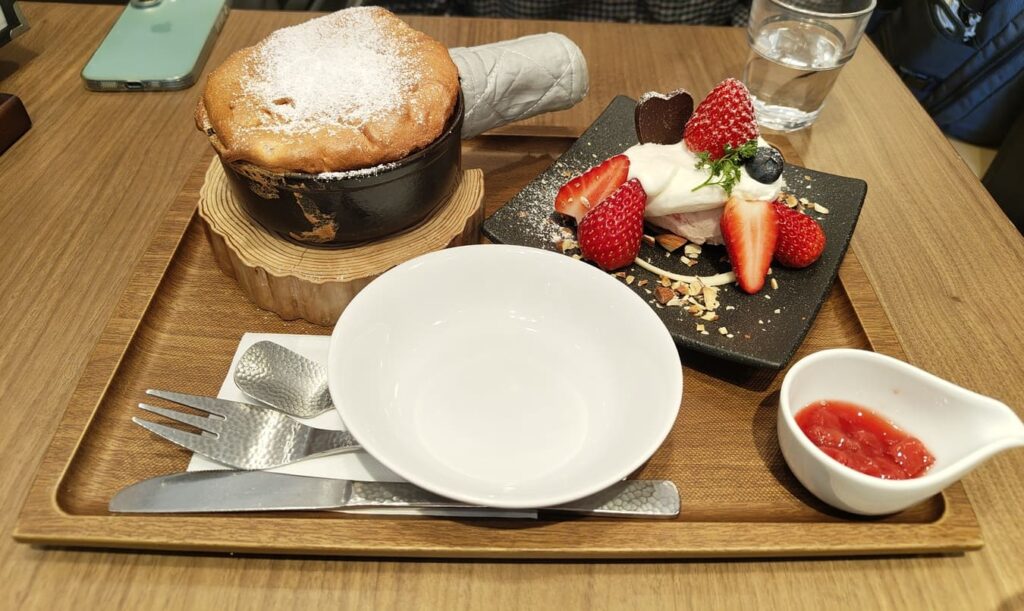
At Hakone Harbour we stopped at Cafe Komon for a short break. After moving around all morning, it felt like a perfect place to slow down for a bit. The cafe had a calm atmosphere, and the large windows looked out toward the lake.
We ordered a strawberry dessert, and it looked almost too nice to eat at first. Fresh strawberries with ice cream and a soft souffle balanced nicely between sweet and light, so it didn’t feel heavy. It was the kind of dessert that works well as a short break before continuing the trip.
Cable Car, Gora Park and Relaxing Onsens
After Cafe Komon, we headed over to Gora Station and rode the cable car up to Sounzan Station. As the car slowly climbed the steep hillside, we could see patches of snow remaining on the ground from earlier snowfall. The higher we went, the colder it felt, and the scenery gradually changed from town streets to a quiet mountain landscape.
Near the station there’s a free foot bath with a surprisingly great view across the valley. It looked very inviting, but during our visit it was quite crowded, so we only stopped briefly before continuing on.
From Sounzan we continued down and got off at Koen-Kami Station, which is close to the west gate of Gora Park. Entering from the upper side made the visit much easier. Instead of climbing uphill, we could simply walk downhill through the garden. If you have the Hakone Free Pass, you also get a small discount on the entrance fee.
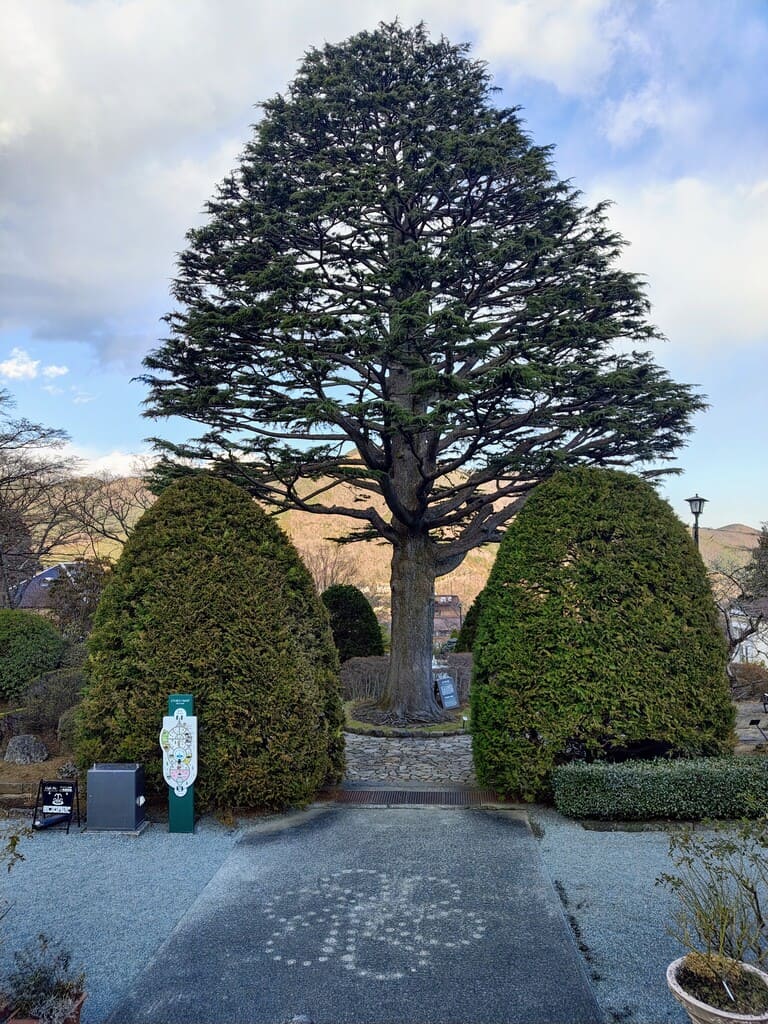
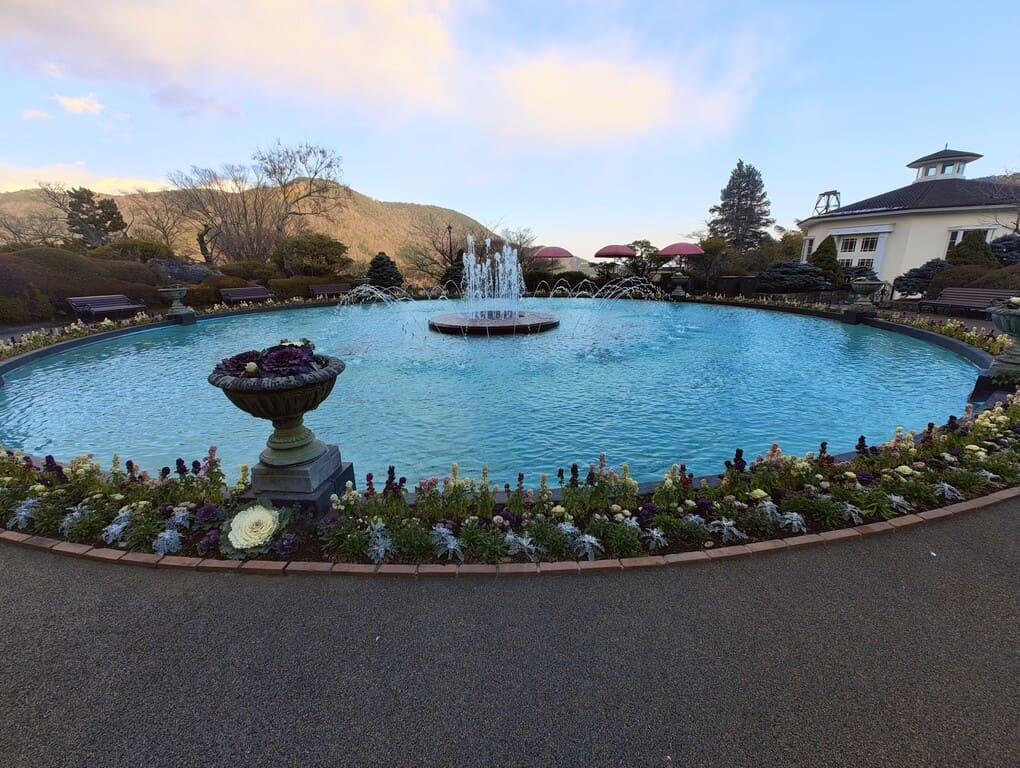
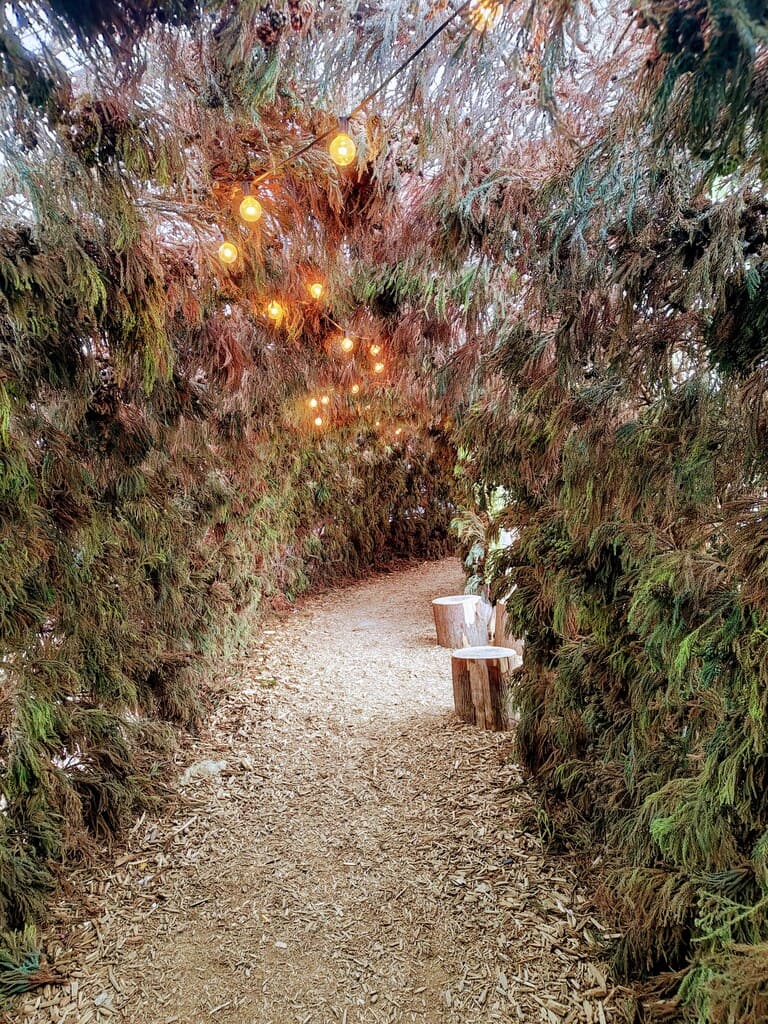
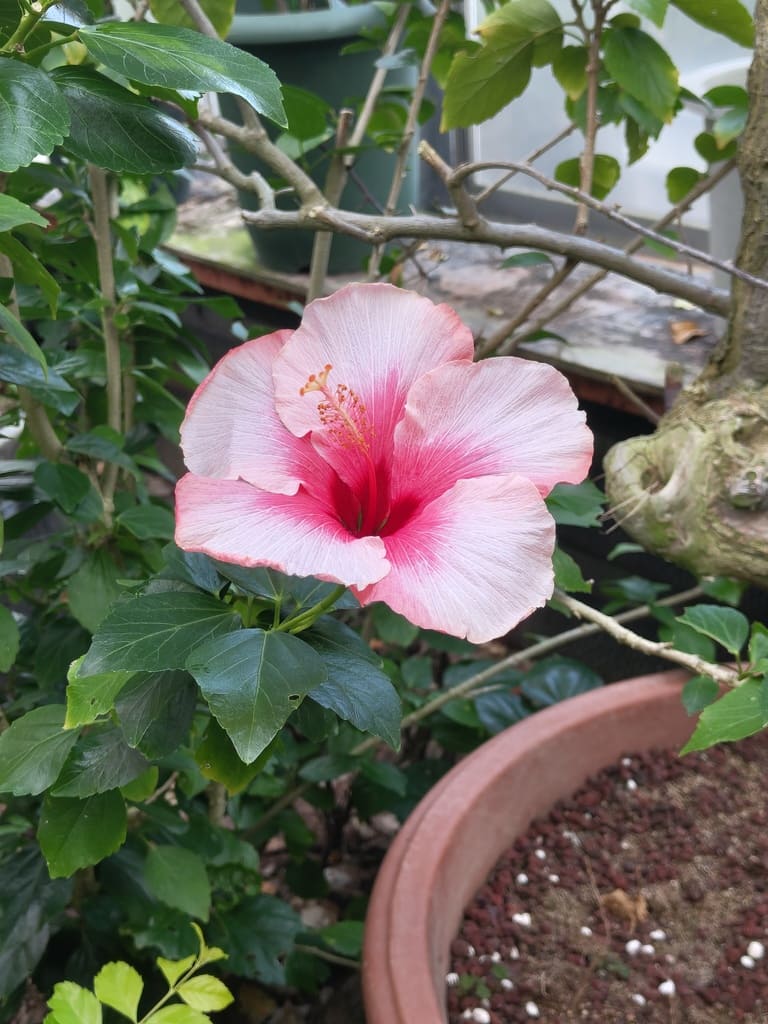
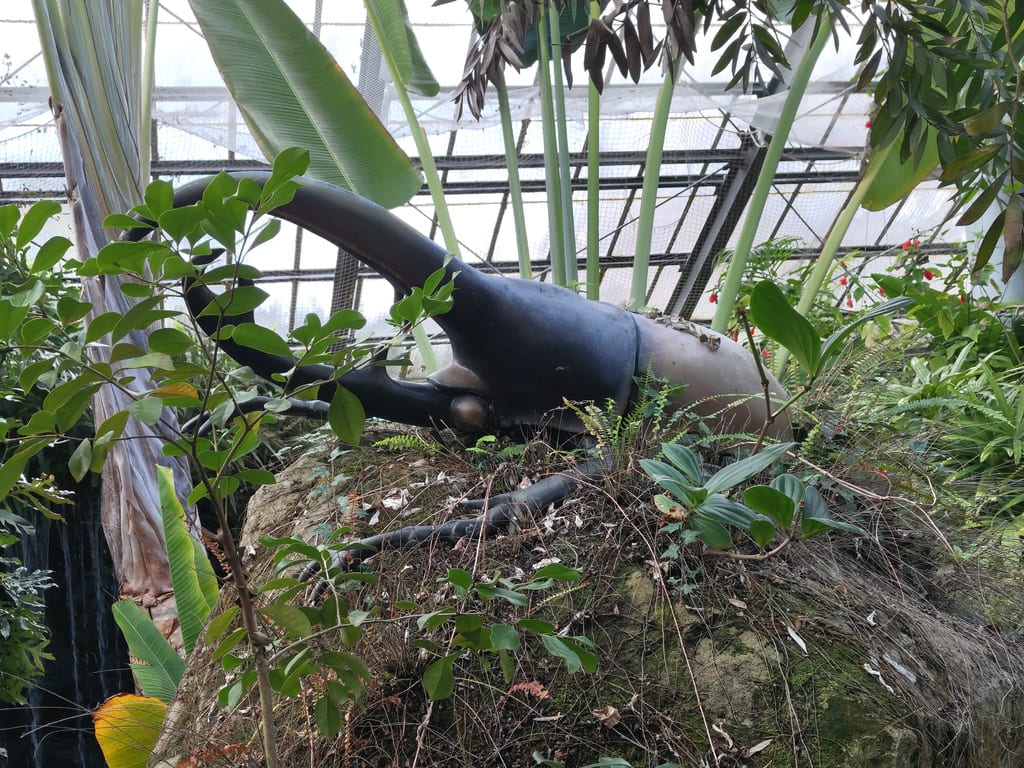
Even in winter the park didn’t feel empty. The outdoor paths were quiet, with a mix of bare trees, mossy stones, and soft winter colors. Then, stepping into the greenhouse suddenly changed the atmosphere completely. It felt warm and lively, filled with tropical plants, flowers, and greenery. Almost like entering a different season.
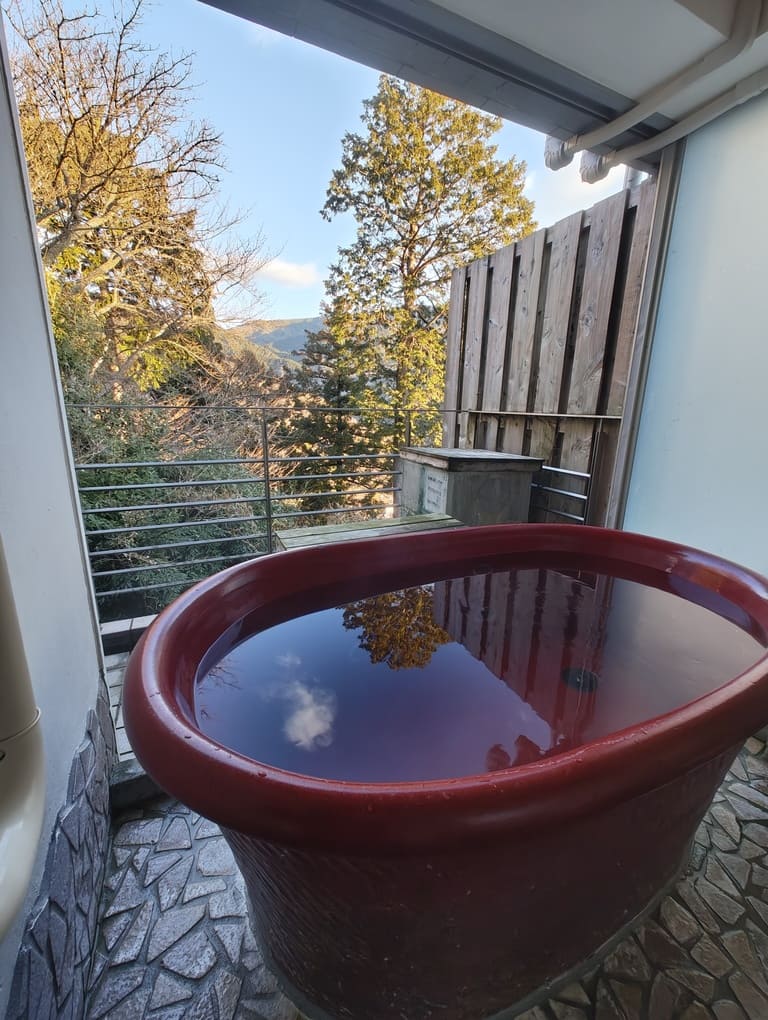
We stayed the second night at 箱根強羅・林澗, a cheaper ryokan-style stay with relaxing baths and mountain views. Not luxury, but very comfortable and a great way to enjoy private open air onsen without spending too much.
Hakone Open Air Museum
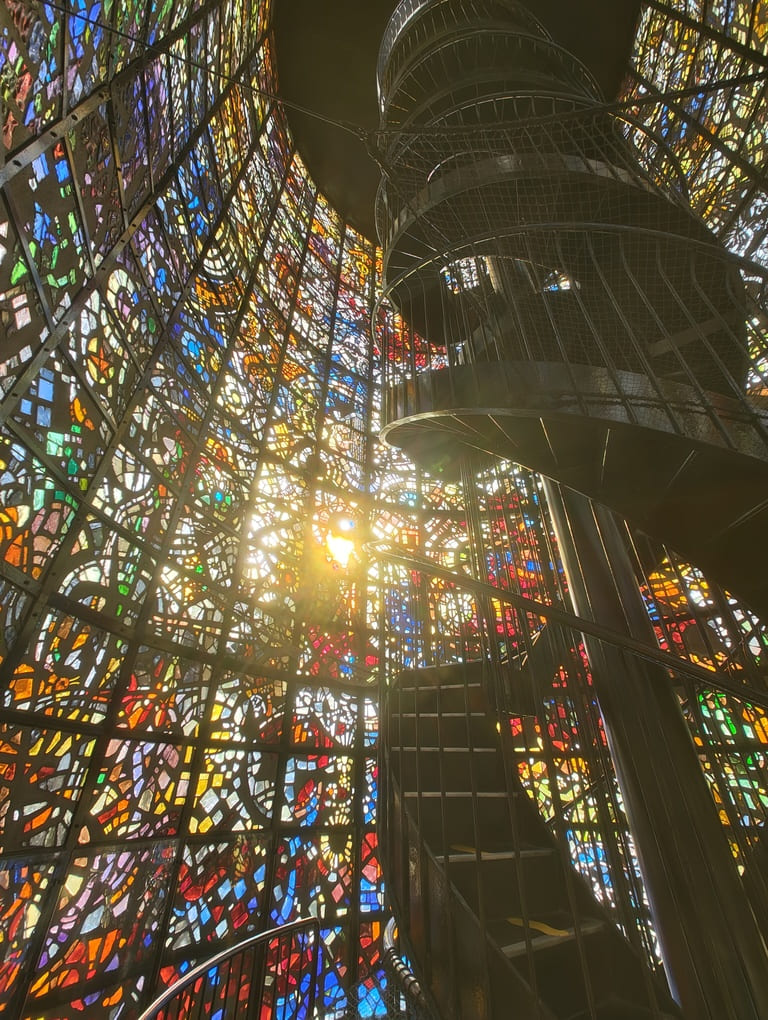
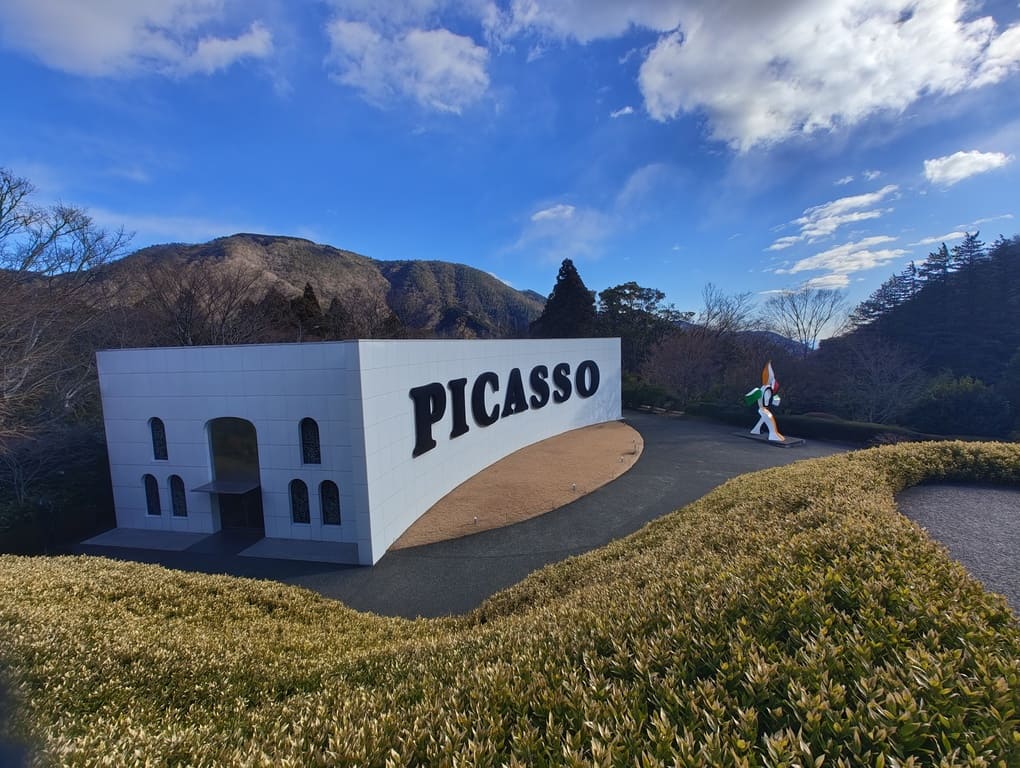
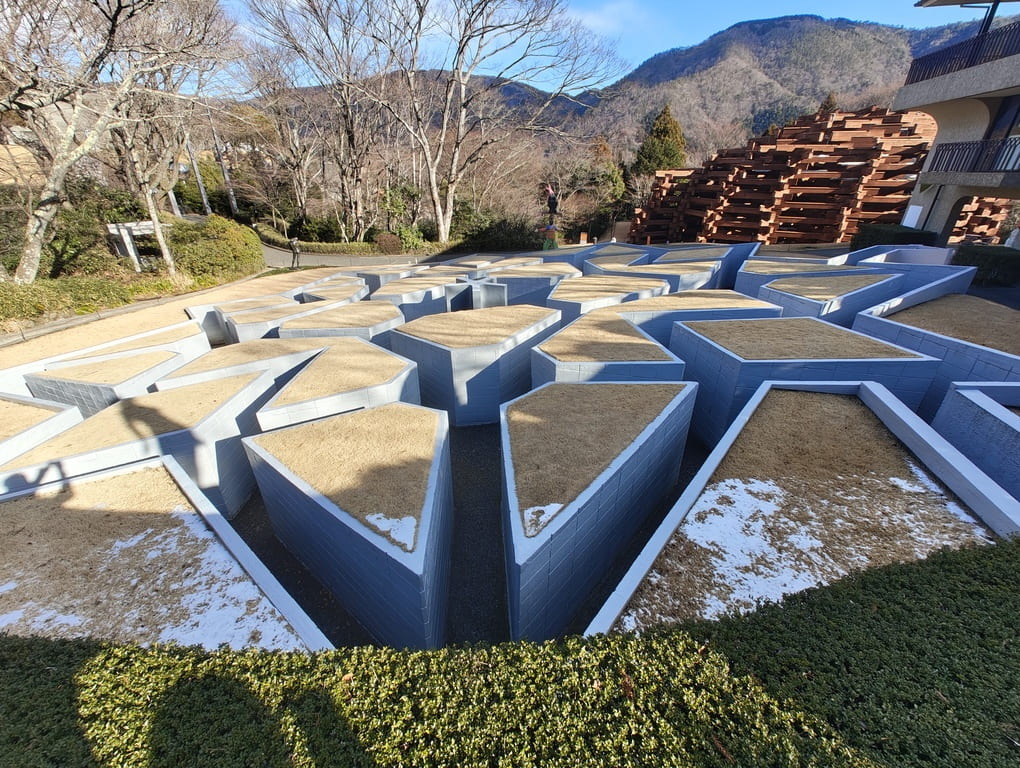
The next morning we visited the Hakone Open Air Museum. The entire place feels like a giant park filled with art. Sculptures spread across the hills with mountains surrounding you in every direction. One of the most fun parts was the geometric maze you can walk through, which feels surprisingly immersive rather than just something to look at. Nearby stands the tall stained-glass tower that you can climb, and from the top you get a view over both the artwork and the landscape around the museum.
There’s also an indoor section called the Picasso Pavilion, dedicated to Pablo Picasso’s works. After walking through the open air exhibits in the cold, going inside felt warm, quiet, and more like a traditional gallery. Seeing his ceramics and paintings up close added a nice contrast to the outdoor art works.
After walking around in the cold, we stopped at the foot bath near the café. Sitting there with warm water while looking out at the sculptures and mountains was incredibly relaxing.
Scenic Train
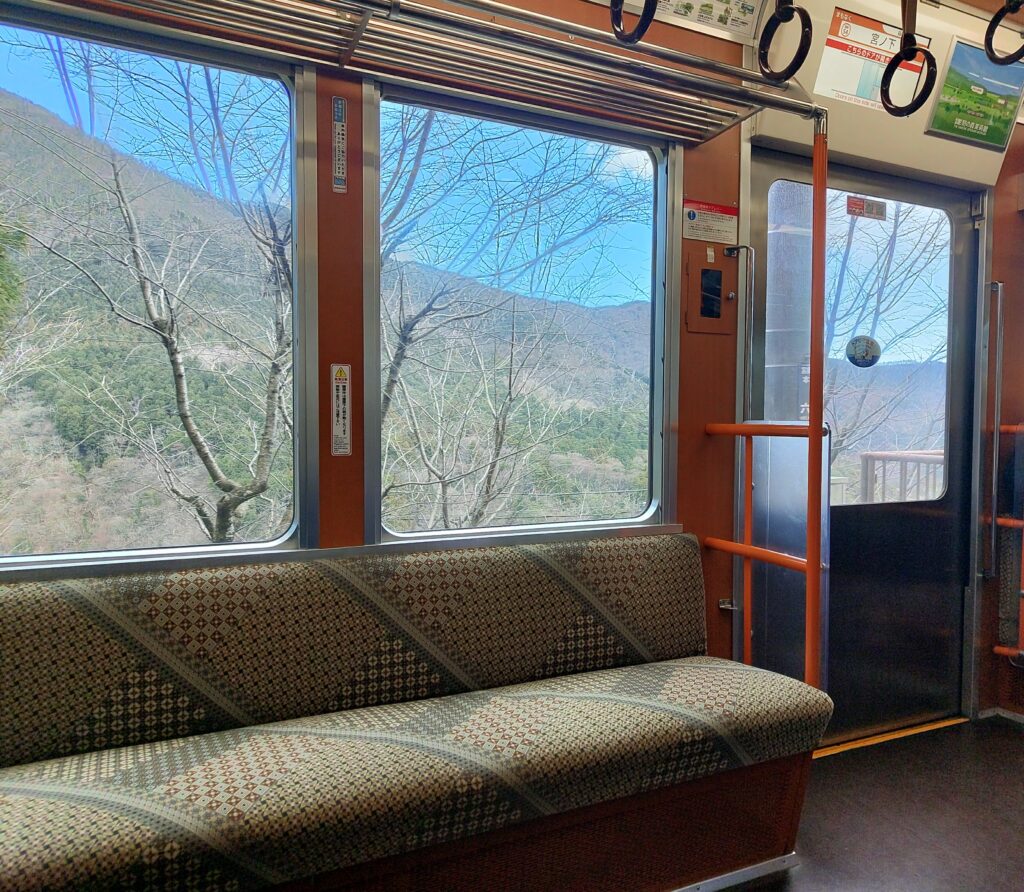
Afterward, we rode the Hakone Tozan Line, one of the steepest railway lines in the world. The train climbs slowly through the mountains, switching directions several times as it winds its way down the valley. Large windows make it perfect for enjoying the scenery. Forests, small bridges, and houses tucked into the hillside passing right beside you.
At Hakone-Yumoto Station we transferred trains, changing from the mountain railway to the regular Odakyu line. From there the ride gradually shifted from quiet mountain views back to town scenery as we headed toward Odawara.
Final Stop: Minaka Odawara
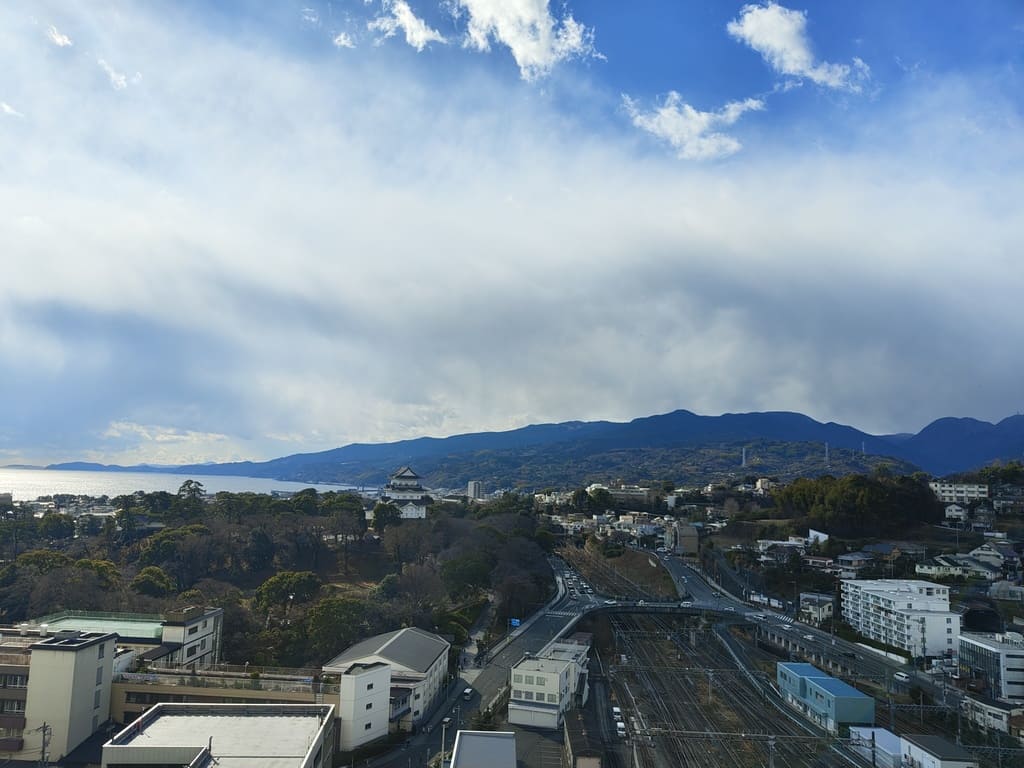
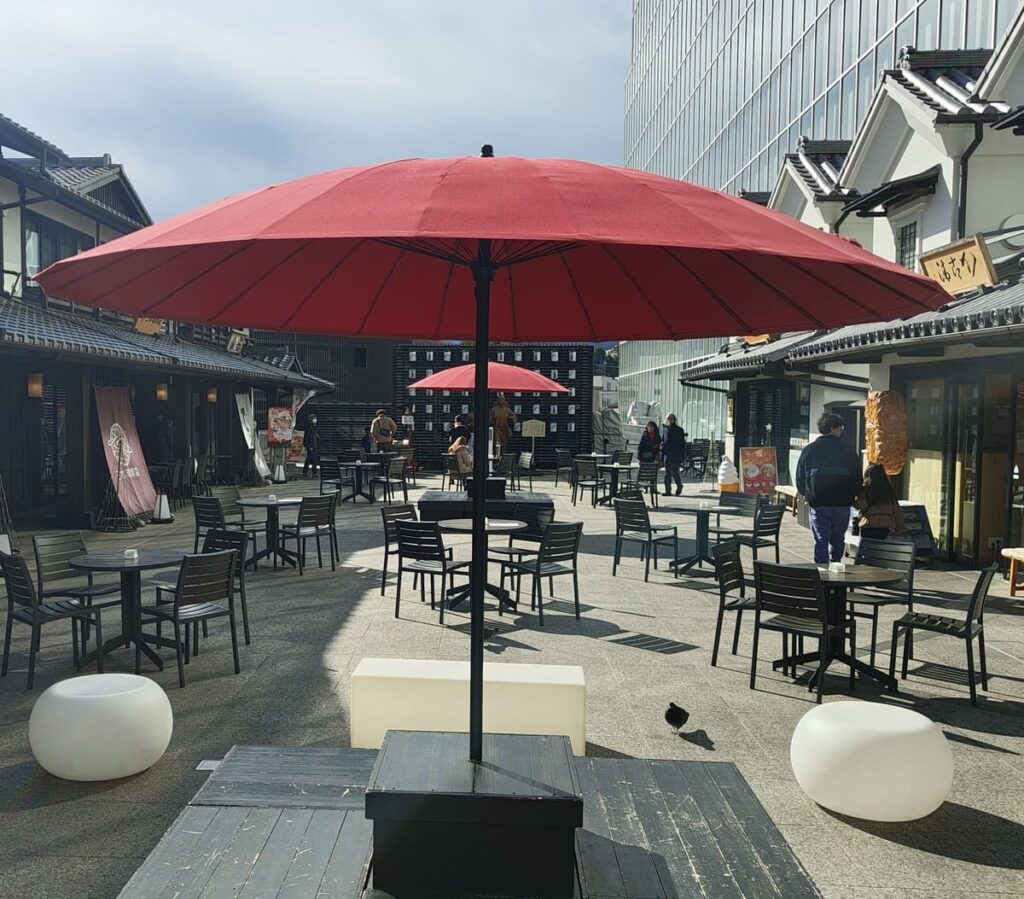
Before heading home, we made one final stop at Minaka Odawara. From the outside it looks like an old Edo-style street, with wooden buildings and lanterns, but once you step inside you realize it’s actually a modern complex filled with restaurants, souvenir shops, and cafes. It’s a fun place to wander.
At the very top there’s a free foot bath overlooking Odawara Castle and the surrounding town. After two days of walking around Hakone, soaking our feet in the warm water while looking out across the city felt incredibly relaxing. The view stretches toward the mountains and coast, and it turned out to be a really peaceful way to slow down before catching the train home. It honestly felt like a perfect way to end this trip.
Why Buy the Hakone Free Pass?
We ended up using the pass constantly. Buses, local trains, the mountain railway, ropeways, and even the sightseeing ship. Because transportation in Hakone spreadout, you’re changing vehicles often. With individual tickets, you would be lining up at machines again and again trying to figure out fares and routes. The pass removes all of that stress.
For our 3-day stay it made the trip feel effortless. We could hop off anywhere that looked interesting. A bakery, a viewpoint, or a museum. Without worrying whether it was “worth the extra cost.” Instead of calculating prices each time, we simply followed our curiosity. Realistically, if we had paid separately for every ride, we would have spent far more.
In Hakone, you can move from lakes to mountains, from art museums to volcanic valleys, and finish the day in hot springs. That range of experiences is what makes Hakone unique. It offers scenery, food, culture, and relaxation all in a single trip.
Hakone is one of those places where the journey between destinations becomes just as enjoyable as the places themselves.