
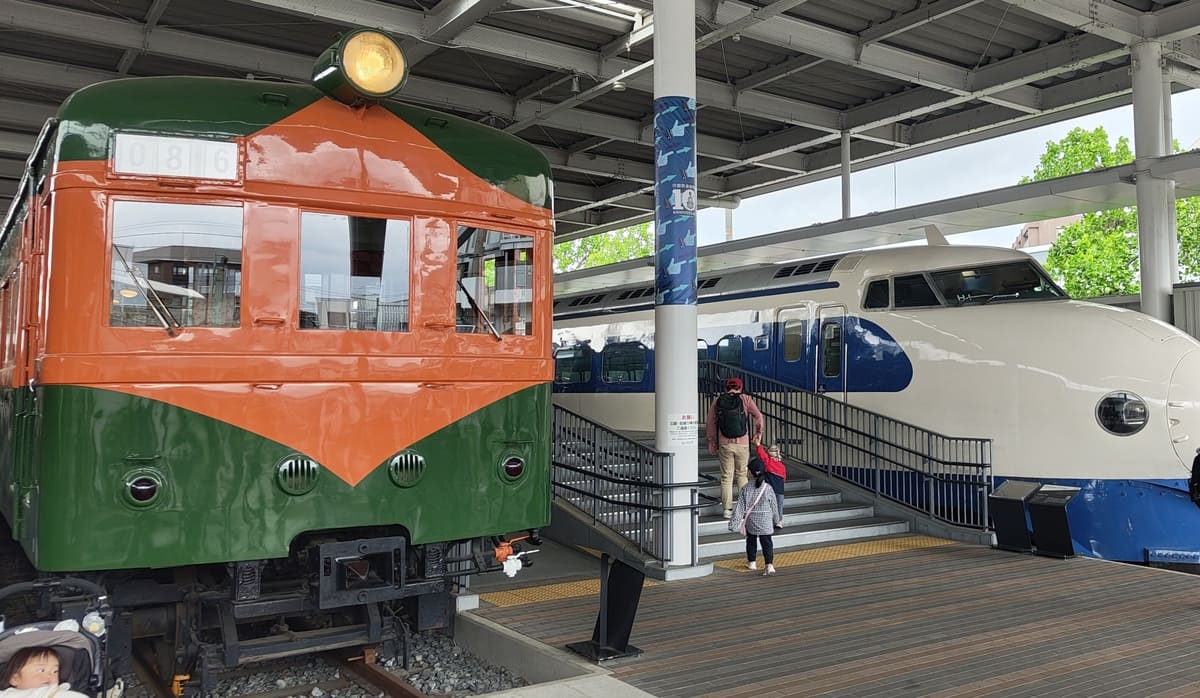
If you love trains, history, or simply want to experience a unique side of Japan, the Kyoto Railway Museum is a destination that deserves a place on your itinerary. As one of the largest and most impressive railway museums in Japan, it offers an incredible journey through the history of Japanese rail while providing plenty of hands-on activities for visitors of all ages.
Located just a short distance from Kyoto Station, the Kyoto Railway Museum is much more than a typical museum. It combines nostalgia, interactive exhibits, historic locomotives, and modern railway technology into one unforgettable experience.
A Walk Through Japan’s Railway History
The museum showcases more than 50 railway vehicles, ranging from steam locomotives to early Shinkansen bullet trains. Visitors can walk through many of the train cars and get a close look at how Japan’s railway network has evolved over the decades.
What made the visit especially memorable for me was seeing trains that I hadn’t seen since I used to live in Japan. Some of these trains disappeared from everyday service long ago, so seeing them again brought back memories that I hadn’t thought about in years. It felt like stepping back into a different era and reconnecting with a small piece of my childhood.
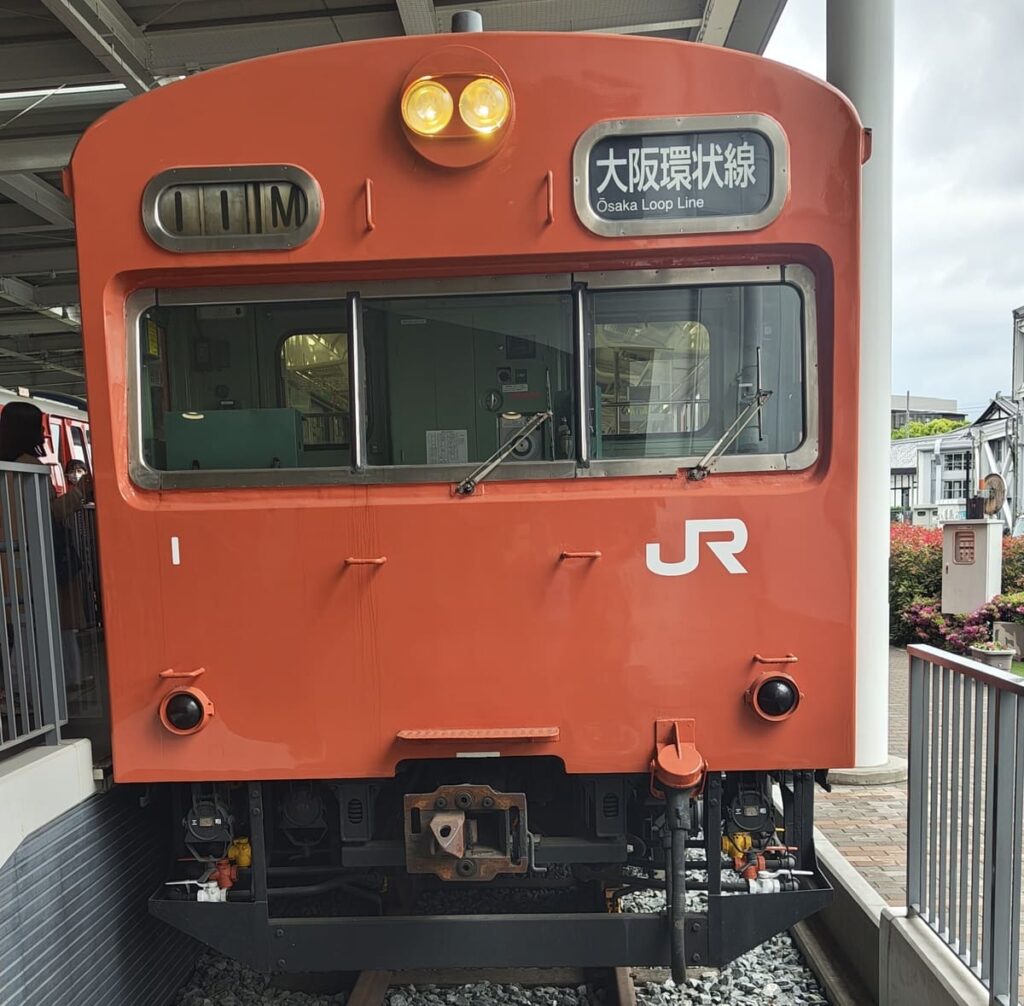
The museum also displays several trains that played an important role in Osaka’s railway history, including older commuter trains that many locals will instantly recognize. Among them was an older Osaka Loop Line train, known locally as the Kanjo-sen (環状線).
The Osaka Loop Line has been a key part of the city’s transportation network for decades. Forming a loop around central Osaka, it connects major areas such as Osaka Station, Kyobashi, Tennoji, and Nishikujo. Before Osaka’s subway network expanded into what it is today, the Loop Line was one of the most important ways for people to travel around the city. Even now, it remains one of Osaka’s busiest and most recognizable railway lines.
Standing inside one of the older Kanjo-sen train cars was a nostalgic experience. The interior design, seating, and overall atmosphere felt very different from the modern trains running through Osaka today.
Interactive Exhibits That Everyone Can Enjoy
One thing I really enjoyed about the Kyoto Railway Museum was how interactive it is. Rather than simply looking at exhibits behind glass, visitors can touch, operate, and experience many aspects of railway operations for themselves.
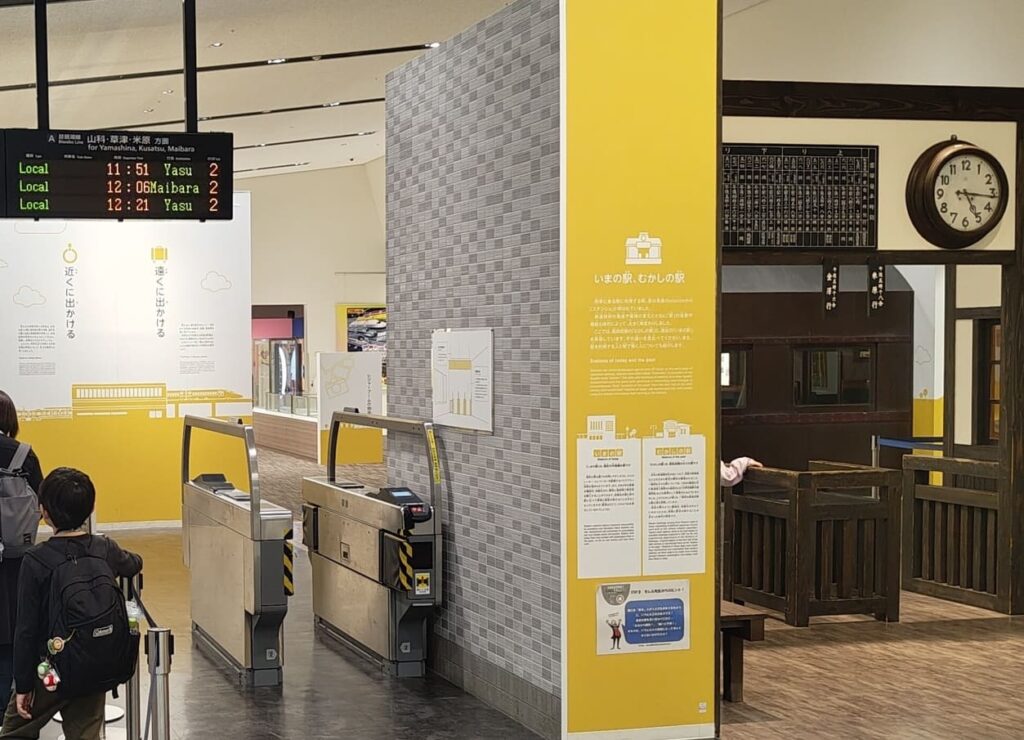
One area that brought back a lot of memories was the recreated train station. Here, you can purchase replica train tickets and pass through old-style ticket gates that were once commonly found throughout Japan. It was a fun way to experience what commuting was like before the widespread use of IC cards such as ICOCA and Suica.
Another activity I enjoyed was operating the doors of an old Osaka Loop Line train. The museum also features train driving simulators where visitors can take on the role of a train driver. You can control the speed of the train, monitor your position, and carefully slow down as you approach stations. It quickly becomes clear that stopping a train smoothly and accurately is much harder than it looks.
These hands-on experiences also help visitors appreciate the incredible level of precision behind Japan’s railway system. Japanese train drivers must follow strict operating procedures and stop trains within very specific positions on the platform so that doors line up correctly and passengers can board safely. Even small delays are taken seriously, which is one reason Japan’s rail network has earned a reputation for being among the most punctual in the world.
After trying some of the simulators myself, I gained a much greater appreciation for the skill, concentration, and teamwork required to keep millions of passengers moving safely every day. It’s easy to take Japan’s trains for granted, but the museum does an excellent job of showing just how much effort goes on behind the scenes.
Japan’s Largest Train Diorama
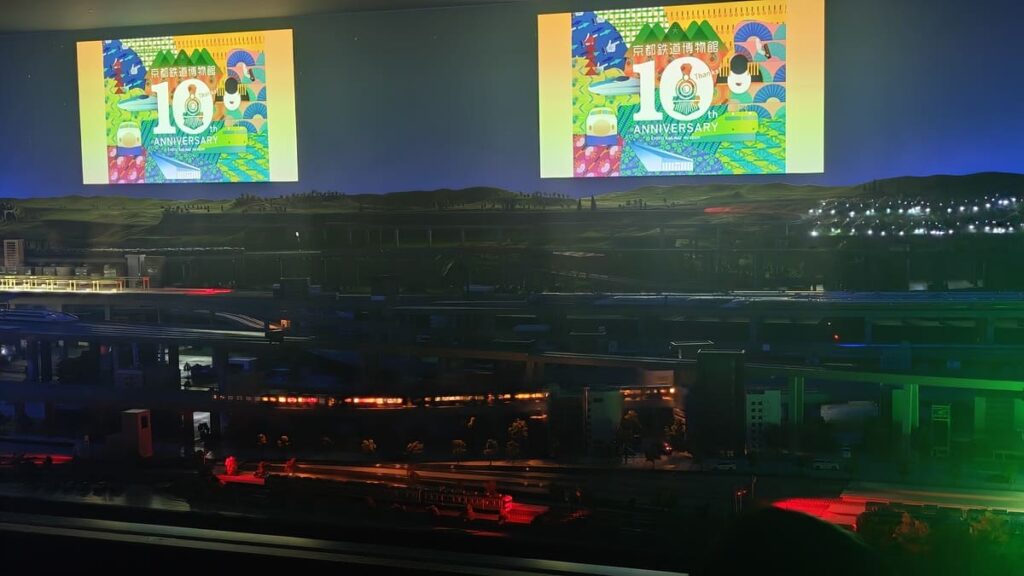
The museum is also home to a massive railway diorama, widely regarded as one of the largest in Japan. The display features miniature trains travelling through detailed recreations of cities, countryside landscapes, tunnels, bridges, and railway stations. The level of craftsmanship is remarkable, with every scene carefully designed to reflect real-life railway environments found across Japan.
During the presentation, a variety of trains are introduced one by one as they make their way around the layout. Visitors can see everything from famous Shinkansen bullet trains to local commuter services, limited express trains, freight trains, and other iconic railway vehicles that have played important roles in Japan’s transportation history. As each train appears, information is provided about its purpose, routes, and significance within Japan’s railway network.
What makes the show particularly enjoyable is seeing so many different types of trains operating together in a single display. It offers a unique opportunity to learn about the diversity of Japan’s railways while appreciating the incredible detail of the miniature world around them.
Whether you’re a serious rail enthusiast or simply curious about Japanese trains, the diorama show is one of the museum’s most impressive attractions and is well worth taking the time to watch.
The Famous Turntable and Roundhouse
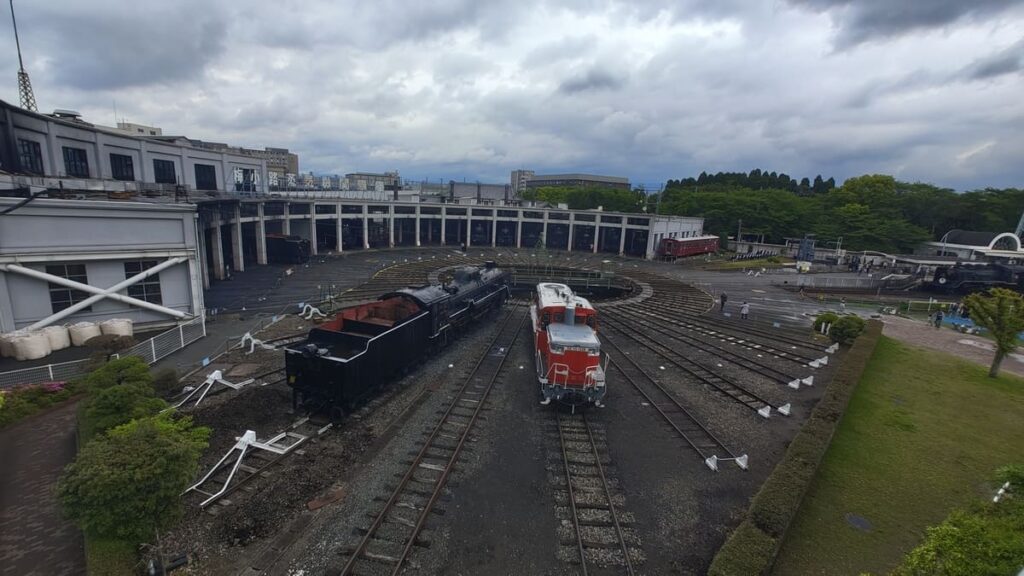
Outside, visitors can find one of the museum’s most iconic attractions: the historic turntable and roundhouse.
This massive rotating platform was originally used to change the direction of steam locomotives. Watching it in person gives you a real appreciation for railway engineering from over a century ago. The roundhouse surrounding the turntable dates back to 1914 and is considered an Important Cultural Property in Japan.
Before visiting, I had only seen these turntables in videos and photographs. Seeing one up close was genuinely impressive. The sheer size of the structure and the collection of steam locomotives displayed around it make it one of the museum’s most photogenic spots.
More Than Just a Museum
The Kyoto Railway Museum feels more like a theme park for train lovers than a traditional museum. There is so much to see and do that it’s easy to spend several hours exploring everything the museum has to offer.
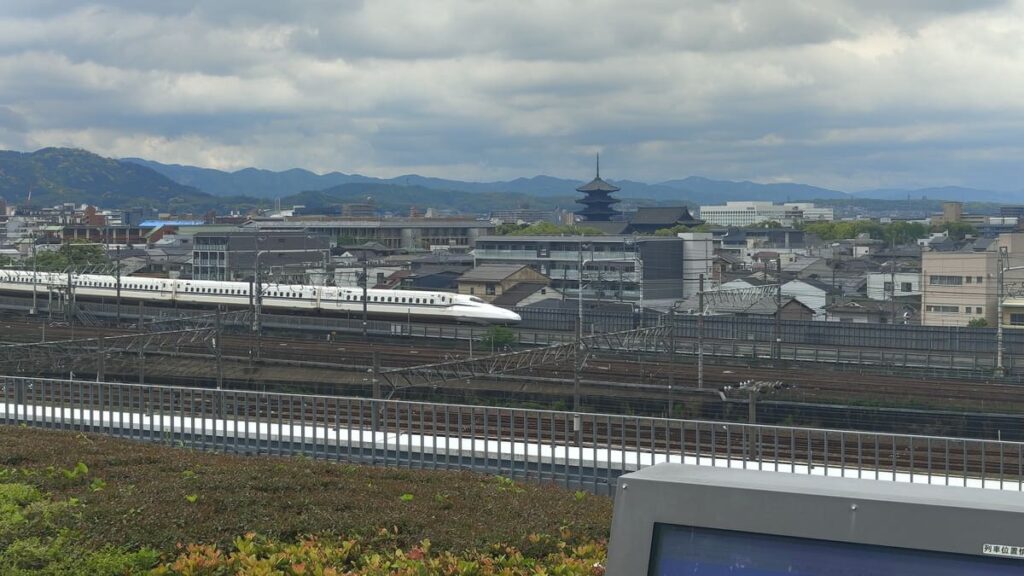
Visitors can ride a steam locomotive, watch live demonstrations, explore interactive exhibits, and learn about the history of Japan’s railways. One of the most relaxing spots in the museum is the Sky Terrace, where you can watch real trains pass by throughout the day. From local commuter trains to high-speed Shinkansen bullet trains, it’s the perfect place to sit back and enjoy the constant flow of railway traffic.
Even if you’re not a dedicated railway enthusiast, the Kyoto Railway Museum does an excellent job of making the experience fun, interactive, and accessible for visitors of all ages. Whether you’re travelling with children, interested in Japanese history, or simply looking for something different to do in Kyoto, it’s a destination that is well worth visiting.
Bonus Recommendation: The Sagano Romantic Train
Although it’s not part of the Kyoto Railway Museum, I highly recommend combining your visit with a ride on the Sagano Romantic Train.
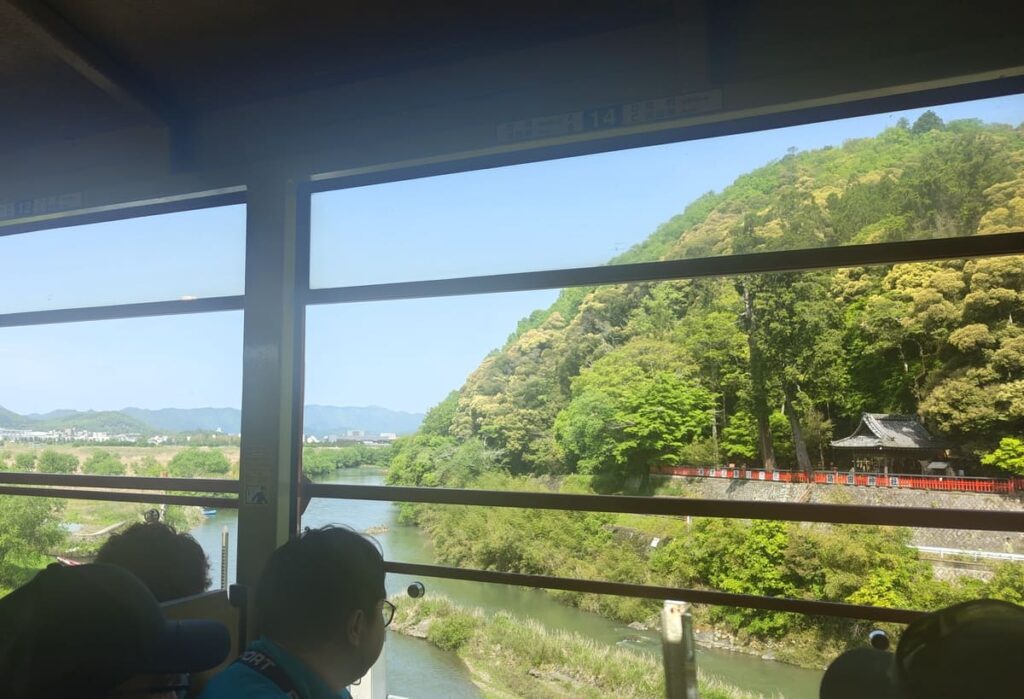
The train departs from Torokko Saga Station and travels through the stunning Hozugawa River gorge. The journey offers some of the most beautiful scenery I have seen in Japan.
Carriages feature open sides, allowing passengers to fully enjoy the fresh air, sounds of nature, and breathtaking views. As the train winds through forests, mountains, and river valleys, you’ll be treated to spectacular scenery that changes with every season.
The ride begins at Torokko Saga Station, which is conveniently located next to Saga-Arashiyama Station. This makes it an easy addition to any Kyoto itinerary.
If you’re already visiting Kyoto for trains, railways, or Japanese transportation history, the Sagano Romantic Train is the perfect way to continue the adventure.
Final Thoughts
The Kyoto Railway Museum is easily one of the best train museums in Japan. Whether you’re interested in nostalgic commuter trains, luxury Japanese train history, steam locomotives, railway technology, or interactive experiences, there is something here for everyone.
For me, the combination of childhood memories, hands-on exhibits, historic locomotives, and the impressive train diorama made the visit truly unforgettable. Add a ride on the Sagano Romantic Train afterward, and you’ll have one of the ultimate railway experiences Japan has to offer.
If you’re planning a trip to Kyoto and have even the slightest interest in trains, don’t miss the Kyoto Railway Museum.